Holistic dentistry, also called biological dentistry, is a way of approaching dental care rather than a list of treatments. You will see the term used for practices that avoid mercury fillings, prefer metal-free materials, and ask about your overall health before they plan any work.
This guide explains what holistic dentistry means, how it differs from conventional dentistry, what the evidence does and does not support, and how to choose a holistic dentist.
What is holistic dentistry?
Holistic dentistry is an approach to dental care that considers how treatment affects the whole body, not only the teeth. Holistic dentists, also called biological dentists, favor mercury-free and metal-free materials, conservative treatment that keeps natural tooth structure, and a full health history. It is a philosophy of care, not a separate dental specialty.
Holistic dentists are licensed dentists with the same DDS or DMD training as any other dentist. What sets a practice apart is the choices it makes about materials, how much tooth it removes, and how it weighs your general health when planning treatment.
The Philosophy Behind Holistic Dentistry
The idea is simple: your mouth is part of your body. Gum health, bite, breathing, sleep and the materials placed in your teeth all connect to how you feel day to day, so a holistic dentist asks about more than your teeth.
In practice, that philosophy usually shows up in three ways:
- Materials. Tooth-colored composite or ceramic instead of amalgam, and zirconia instead of metal where it suits the case.
- Conservation. Removing as little healthy tooth as possible, and repairing rather than replacing where a tooth can be saved.
- Health history. Asking about medical conditions, medications, sensitivities and preferences before choosing a treatment or a material.
None of this is unique to holistic practices. Many conventional dentists work the same way. The difference is usually one of emphasis.
Holistic vs Traditional Dentistry
| Topic | Holistic approach | Conventional approach |
|---|---|---|
| Fillings | Composite or ceramic; no new amalgam | Composite is common; amalgam is still used for some back teeth |
| Existing amalgam fillings | Often removed on request, with extra protective steps | Usually left in place unless the filling is failing |
| Implants | Zirconia (metal-free) offered alongside titanium | Titanium is the standard; zirconia available at some practices |
| How much tooth is removed | As little as possible | Varies with the dentist and the treatment |
| Health history | Wide-ranging, including sensitivities and preferences | Medical history and medications |
| Fluoride | Varies; some practices limit it | Recommended to prevent decay |
The line between the two is not fixed. A conventional practice can use only composite fillings, and a holistic practice still treats decay, gum disease and infection with standard care.
Practices and Treatments in Holistic Dentistry
Mercury-free fillings
Holistic dentists fill cavities with tooth-colored composite resin or ceramic instead of amalgam (silver) fillings. Composite bonds to the tooth, which usually means less healthy tooth needs removing than for an amalgam filling. Bedford’s tooth fillings page covers the options.
Amalgam filling removal
Amalgam is about 50% mercury by weight. Many holistic patients want old amalgam fillings replaced, and holistic practices use extra steps to limit mercury exposure during removal.
The International Academy of Oral Medicine and Toxicology publishes recommendations for this, known as the SMART protocol (Safe Mercury Amalgam Removal Technique). They include high-volume suction and air filtration, protective covers for the patient, and an amalgam separator to keep mercury out of the water system. The amalgam removal page explains how Bedford approaches it.
Metal-free implants
Most dental implants are titanium. Zirconia implants are a metal-free alternative made from a white ceramic, chosen by people who prefer to avoid metal or who have thin gums where a metal post could show. The zirconia implants page explains when they suit a case.
Minimally invasive and biomimetic dentistry
Biomimetic dentistry aims to restore a damaged tooth so it behaves like a natural one, bonding materials to the remaining tooth instead of cutting it down for a crown where that can be avoided. The goal is to keep as much natural tooth as possible. Bedford’s biomimetic dentistry page covers the approach.
Lower-radiation imaging
Digital X-rays use less radiation than older film X-rays, and holistic practices often take them only when they will change the treatment plan.
Are silver amalgam fillings dangerous?
For most people, the evidence does not show that intact amalgam fillings cause harm. The U.S. Food and Drug Administration’s information for patients says there is no conclusive evidence that amalgam harms the general population.
The FDA does recommend that some groups avoid new amalgam fillings where possible, including people who are pregnant or planning a pregnancy, nursing mothers, children under six, and people with a mercury allergy or certain neurological or kidney conditions. It also advises against removing amalgam fillings that are in good condition, because removal releases a short burst of mercury vapor and takes away healthy tooth structure.
So the honest answer is that replacing amalgam makes sense when a filling is failing, cracked or leaking, when you are in one of the FDA’s higher-risk groups, or when you strongly prefer it after hearing the trade-offs. Removing sound fillings is a choice to make with your dentist, not a requirement for your health.
Criticisms and Challenges Facing Holistic Dentistry
Holistic dentistry gets criticism mainly when practices make health claims the evidence does not support, such as promising that removing fillings will cure a long-term illness. Claims like that are a reason to ask questions, not a feature of the approach.
Much of what holistic dentistry stands for is mainstream: tooth-colored fillings, conservative treatment, careful handling of mercury and attention to your medical history. Where a practice goes further, ask what the evidence is and whether the treatment changes your plan.
Fluoride is one area of disagreement. Some holistic practices limit it, while the American Dental Association recommends fluoride for preventing tooth decay. Ask any dentist what they recommend for your teeth and why.
Choosing a Holistic Dentist
Any licensed dentist can describe their practice as holistic or biological, so the label alone does not tell you much. Before you book:
- Check the license. In California, the Department of Consumer Affairs license search confirms a dentist’s license and any discipline.
- Ask what “holistic” means at that practice. Which materials do they use, how do they remove amalgam, and do they place zirconia implants?
- Ask how they decide what to treat. A good answer is based on the condition of your teeth and your health history, not a standard package.
- Be cautious of cure claims. Dental treatment can improve oral health; be wary of promises that it will cure unrelated illnesses.
Holistic Dentistry at Bedford Dental Group
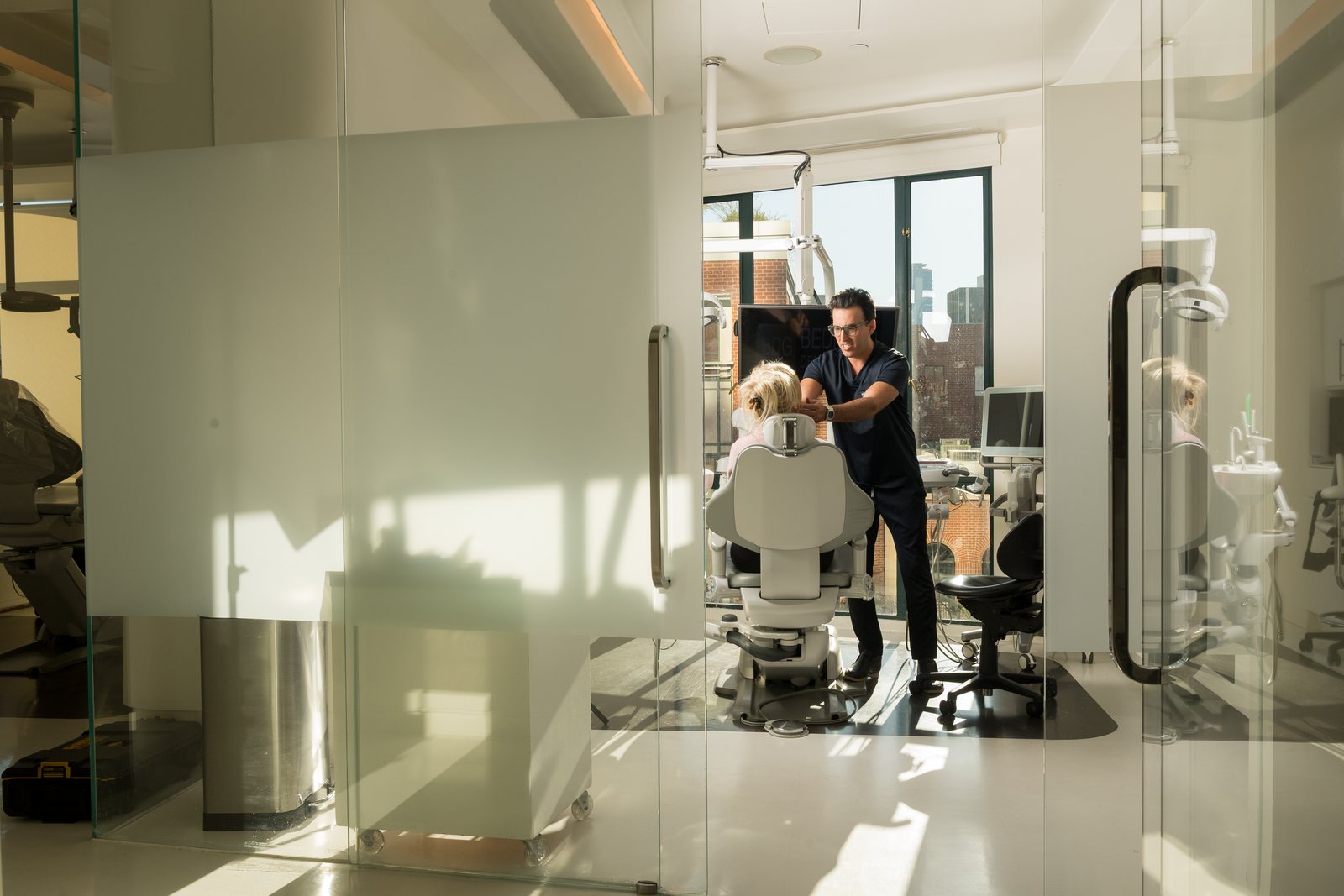
Bedford Dental Group in Beverly Hills offers holistic dentistry led by Dr. Daniel Naysan. For patients who want a holistic approach, that includes:
- Mercury-free, tooth-colored fillings
- Amalgam filling removal when it is clinically appropriate, with protective isolation and filtration
- Zirconia implants, planned and placed by Dr. Naysan, as a metal-free alternative to titanium
- Biomimetic, minimally invasive restorations that keep as much natural tooth as possible
- Digital X-rays
- A consultation that covers your health history, sensitivities and preferences before a plan is made
The holistic dentist page gives more detail on each.

Frequently Asked Questions About Holistic Dentistry
Is holistic dentistry legitimate?
Holistic dentists are licensed dentists with the same training as any other dentist. Much of the approach, such as tooth-colored fillings and conservative treatment, is mainstream. Be cautious of any practice that claims dental treatment will cure an unrelated illness.
Is biological dentistry the same as holistic dentistry?
Yes, the two terms are used for the same approach. Some practices prefer “biological dentistry” because it puts the focus on the materials and how the body responds to them.
What is biocompatible dentistry?
Biocompatible dentistry means choosing materials your body tolerates well, such as composite resin, ceramics and zirconia, instead of metals. Some practices also offer testing for people with known sensitivities before a material is chosen.
Should I have my amalgam fillings removed?
Not always. The FDA advises against removing amalgam fillings that are in good condition, because removal releases mercury vapor and takes away healthy tooth. Replacement makes sense when a filling is failing, cracked or leaking, or when you are in one of the FDA’s higher-risk groups.
Do holistic dentists use fluoride?
Some do and some limit it. The American Dental Association recommends fluoride for preventing tooth decay. Ask the practice what it recommends for your teeth and why.
Does insurance cover holistic dentistry?
Insurance covers treatments, not philosophies. A filling, cleaning or crown is usually covered the same way at a holistic practice as anywhere else, while some materials or extra protective steps may cost more than a plan pays for.
What is holistic oral health?
Holistic oral health is the idea that the health of your teeth and gums is tied to your general health, and the other way around. In practice it means paying attention to gum health, diet, bite, breathing and medical conditions alongside the teeth themselves.
Can a holistic dentist do cosmetic work like veneers?
Yes. Cosmetic treatments such as porcelain veneers and composite bonding fit a holistic approach when they are planned to remove as little tooth as possible. Porcelain is a metal-free ceramic.
Book a Holistic Dentistry Consultation
If you want dental care that takes your overall health and your preferences about materials into account, start with a consultation. You will discuss your health history and goals, and you receive the treatment plan and fees in writing before any treatment begins.
Request a consultation or call (310) 278-2424. Bedford Dental Group, 436 N Bedford Dr., Suite 300, Beverly Hills, CA 90210.
