
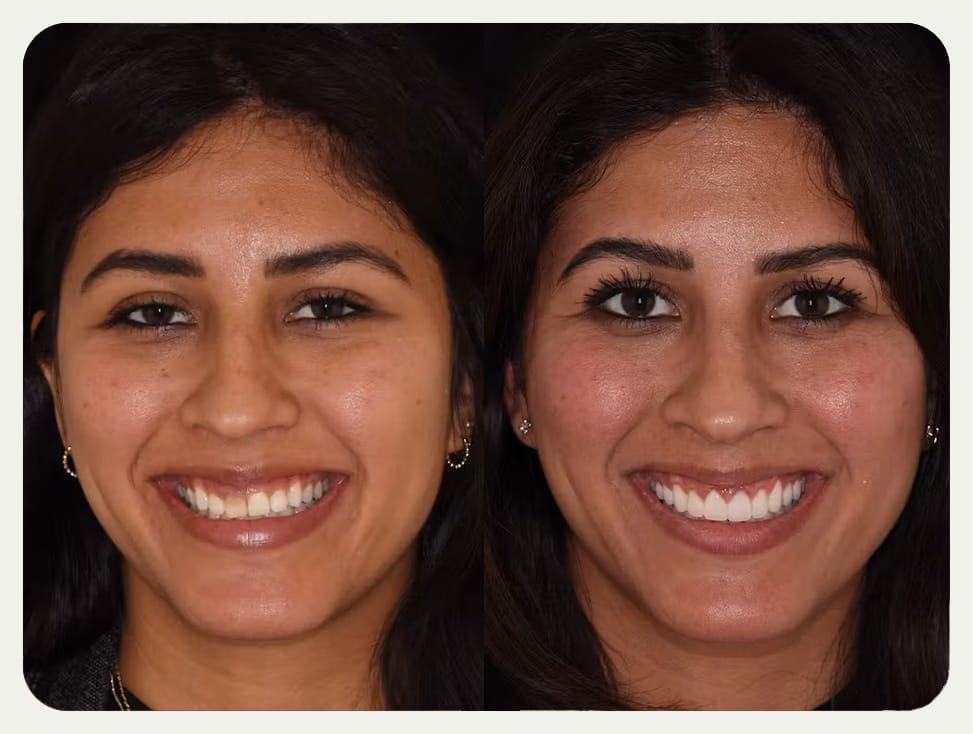
Porcelain veneers are thin ceramic shells bonded to the front of your teeth to correct chips, wear, discoloration, gaps, and crooked or unevenly shaped teeth. At Bedford Dental Group on North Bedford Drive in Beverly Hills, Dr. Daniel Naysan and three other doctors place veneers — among them a prosthodontist — supported in-house by a periodontist, an oral surgeon and an endodontist. Most last 10 to 20 years with routine care.






What Are Porcelain Veneers?
A porcelain veneer is a custom ceramic facing bonded to the front of a single tooth. Each one is made for that specific tooth from an impression or digital scan, then shaded against the teeth around it.
Standard veneers require removing 0.3 to 0.5 mm of enamel so the veneer sits flush with the natural tooth. Bedford also places no-prep veneers, made thin enough — around 0.2 to 0.3 mm — to bond onto the tooth with little or no reduction. They suit a narrower range of cases: teeth that are small, short, or worn down, teeth with thin enamel, and spacing between teeth.
Enamel does not grow back. Once a tooth is prepared it needs a veneer or a crown from then on, so veneers are replaced at the end of their lifespan rather than removed, and preparation reduces the tooth permanently. Bedford's doctors assess which approach a tooth can support before any enamel is touched.
Bedford works in two porcelain systems. Feldspathic porcelain is built up entirely by hand and can be made extremely thin, which preserves more of the natural tooth and gives the ceramist the most control over how the finished veneer handles light. Pressed lithium disilicate — the material sold under the brand name e.max — is stronger, and at Bedford it is finished with a facial and incisal cutback that is then hand-layered, so it keeps the depth a solid pressed veneer cannot produce on its own.
Which one a case calls for depends on how much strength the tooth and bite demand against how much optical work the result needs. Bedford does not use zirconia for veneers.
Bedford does not place Lumineers. Its no-prep veneers are made to the same 0.2 to 0.3 mm thickness from the materials described above.
What Problems Do Porcelain Veneers Fix?
Veneers are used when the shape, color, or surface of a tooth is the problem and the tooth itself is otherwise sound.
Chipped or worn edges. Porcelain rebuilds the original edge shape on front teeth worn short by grinding, age, or an old injury.
Discoloration that whitening does not lift. Tetracycline banding, fluorosis, and the internal darkening that follows a root canal sit inside the tooth rather than on it, so bleaching has little effect. A veneer covers the tooth surface instead.
Gaps between teeth. A diastema between the upper front teeth can be closed by widening the adjacent teeth with porcelain, without braces.
Crooked or uneven teeth. Mild crowding or rotation can be masked by reshaping the visible surface. Significant misalignment is a different problem — see Should I straighten my teeth first? below.
Teeth that don't match each other. Where one tooth is shorter, narrower, or a different shade, veneers on several adjacent teeth bring them into proportion.
Veneers do not treat decay, gum disease, or a structurally damaged tooth. Those are addressed first, and sometimes with a different restoration entirely.
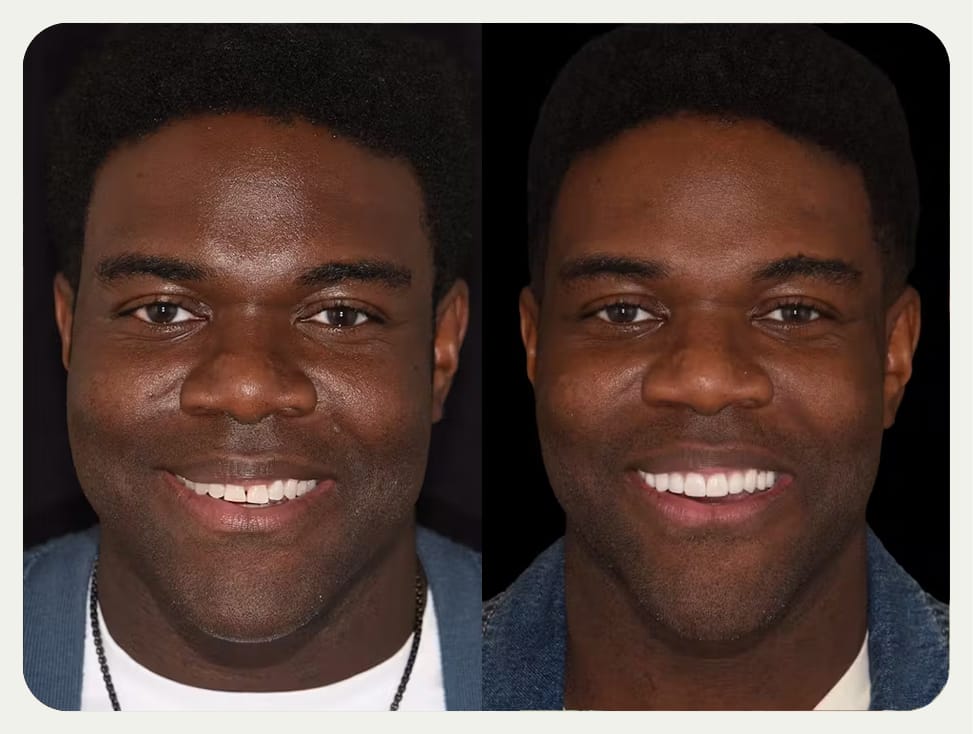
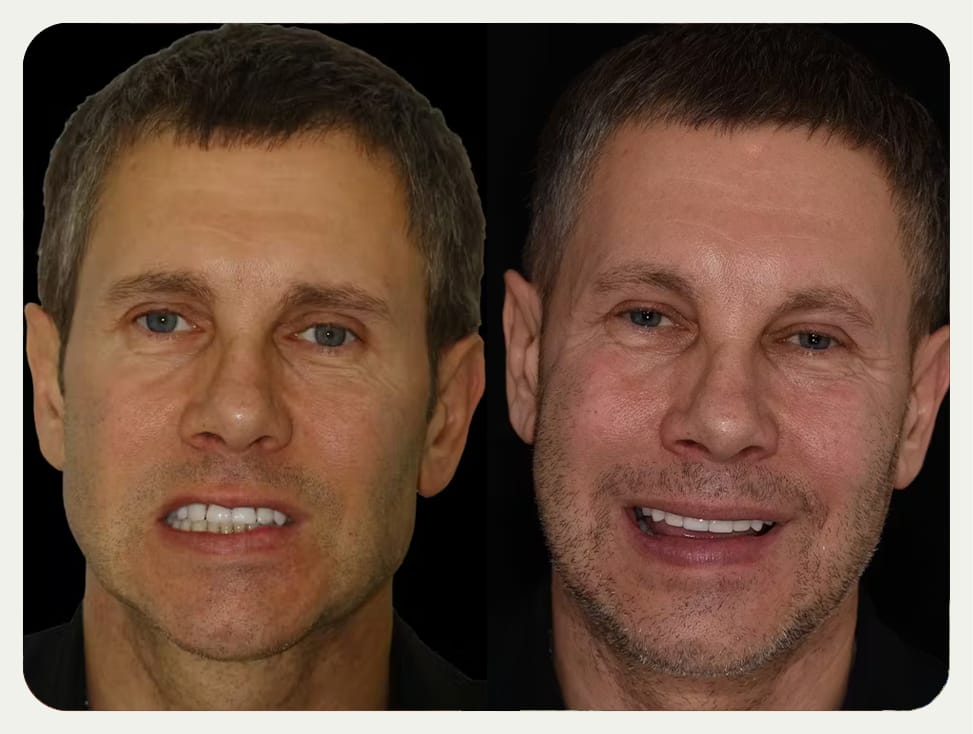
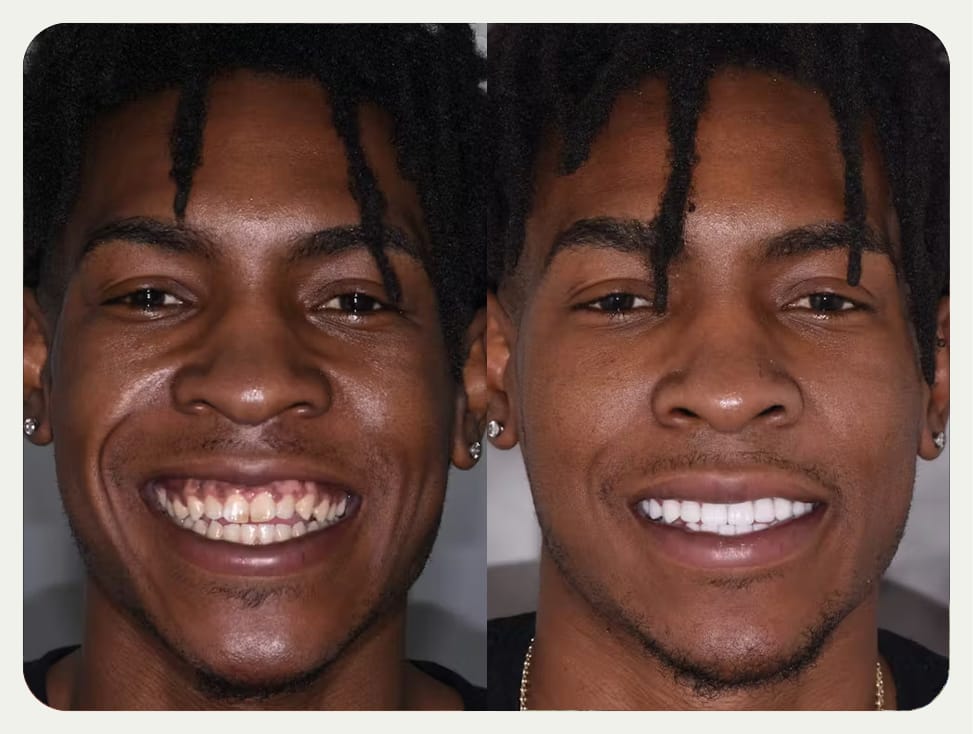
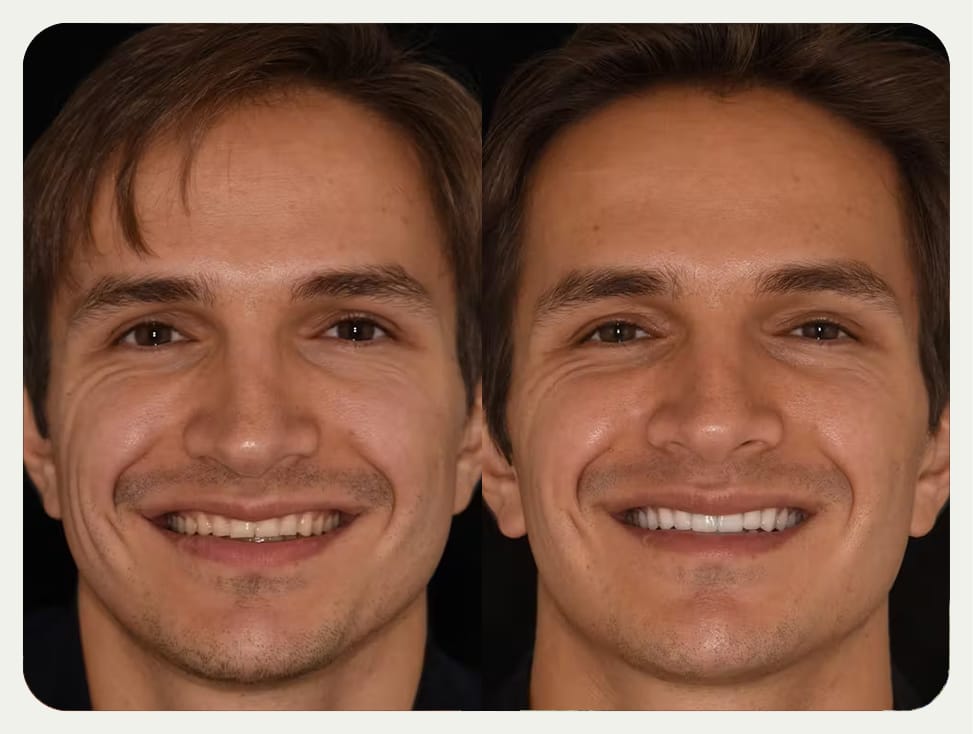
Porcelain veneer case studies
Real Bedford Dental Group patients, treated by Dr. Daniel Naysan, with the clinical detail of each case written out.
Gap between the front teeth
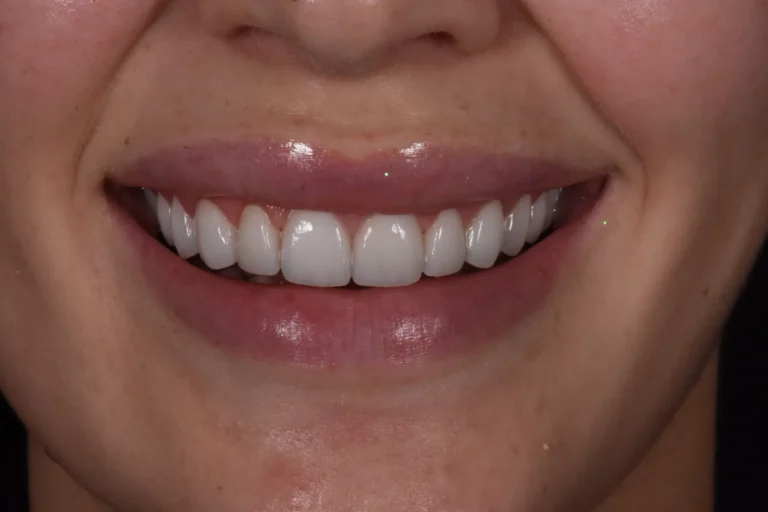
Porcelain Veneers for a Gap Between the Front Teeth
A woman who felt her teeth were too small for her face, with a gap between her upper front teeth, received 20 feldspathic porcelain veneers in shade 0M3 over three main visits.
Read the case study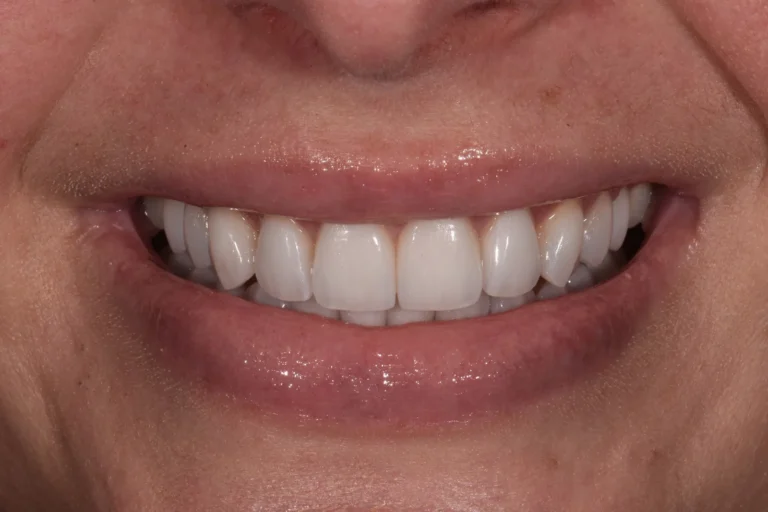
Two mismatched veneers and discolored teeth
Porcelain Veneers for Discolored Teeth and Two Mismatched Veneers
Offered options from replacing only two veneers up to treating the lower teeth as well, this patient chose 20 feldspathic porcelain veneers so every tooth in her smile zone matched.
Read the case study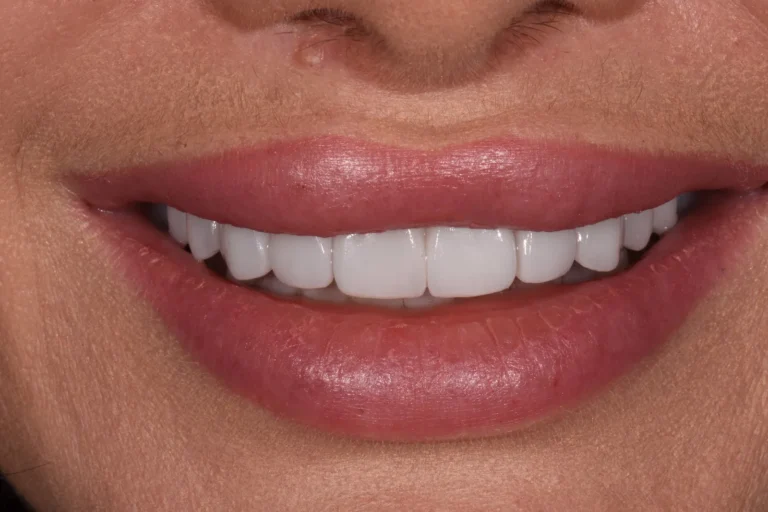
Severely worn, yellowed enamel
Layered e.max Veneers and Onlays for Severely Worn, Yellowed Teeth
Worn enamel had yellowed this patient's teeth and lowered the bite; layered e.max veneers and four onlays restored the bite's height over two main visits.
Read the case study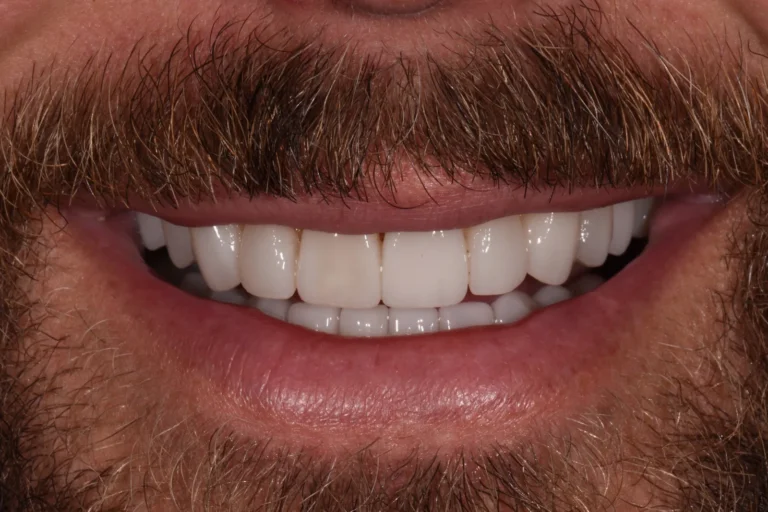
Fractured crown on a previously injured tooth
Porcelain Veneers for a Fractured Crown and Front Teeth of Uneven Size
A man with a crown fractured in half, uneven front teeth and lower crowding chose 20 e.max veneers over a smaller four-tooth plan for a more harmonious smile.
Read the case study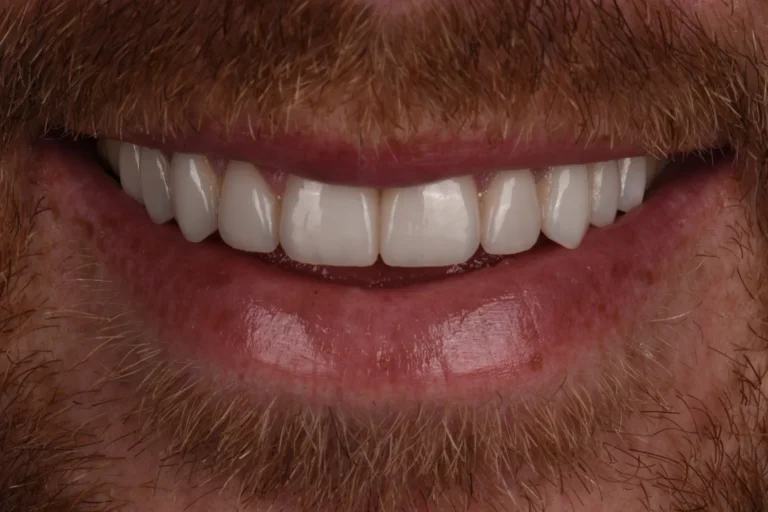
Worn teeth after 10+ years without care
Porcelain Veneers for Worn Teeth After More Than 10 Years Without a Dentist
A man who felt his teeth were too small, with cracked premolars and recurrent decay around old restorations, had his gum disease treated first and then received 20 feldspathic veneers from Beverly Hills Dental Lab.
Read the case study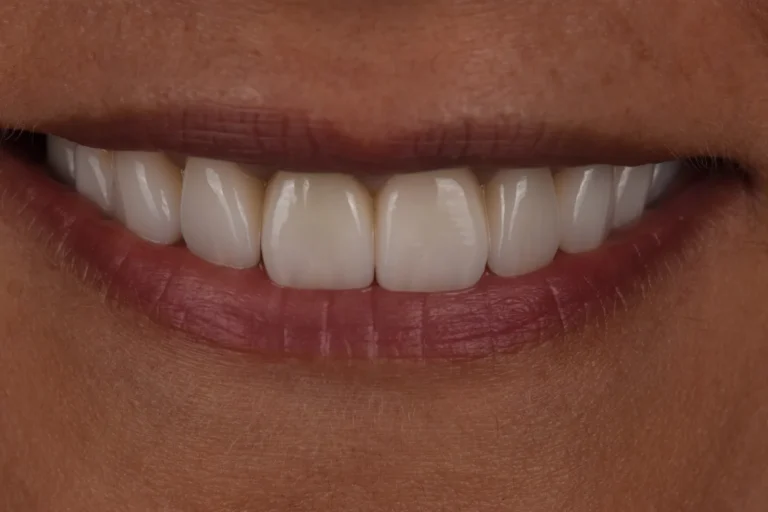
Veneer revision
Replacing Veneers That Felt Too Large: A Porcelain Veneer Revision Case
A woman who felt her previous veneers were too big for her face, and who also had a canted midline, had them replaced with 20 e.max veneers that bring her smile into balance with her facial features.
Read the case studyThese before-and-after photographs show Bedford Dental Group patients’ actual treatment results. The same results may not occur for all patients.

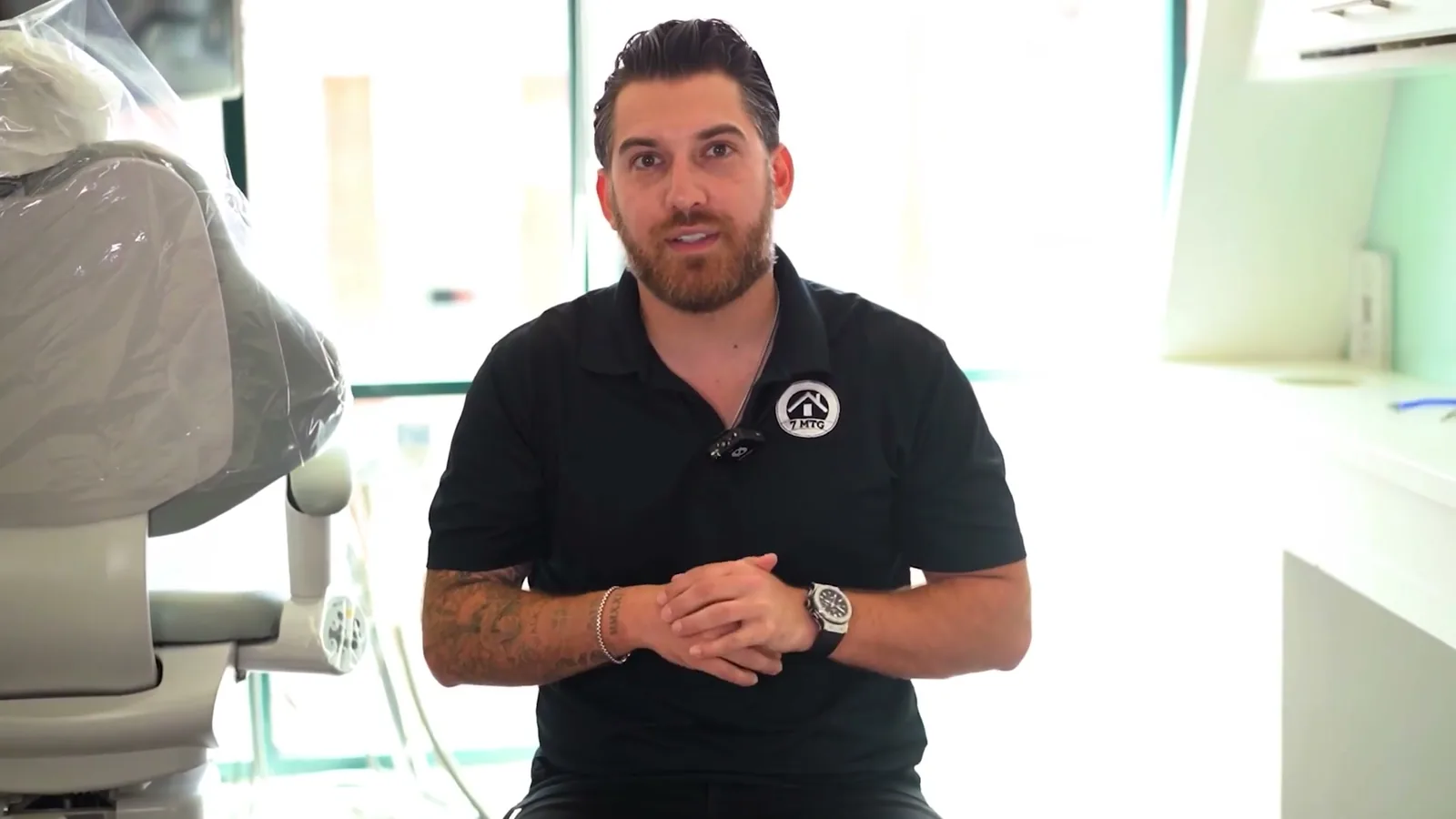
Edwin’s veneer journey

Celebrity Patients at
Bedford Dental Group
Dr. Naysan’s patients include entertainers, athletes and public figures. Former NBA forward Chandler Parsons, who had 20 porcelain veneers placed after a basketball injury fractured a crown, has documented his treatment publicly.
See Our Smile Gallery
Meet the Doctors Who Place Your Veneers
Four of the seven doctors at Bedford Dental Group place porcelain veneers. The rest support those cases in house, so a veneer case that needs gum treatment, a root canal or oral surgery is handled without referring you out.

Lead cosmetic dentist
Dr. Daniel Naysan, DDS
Cosmetic dentist — places veneers
Read the full bio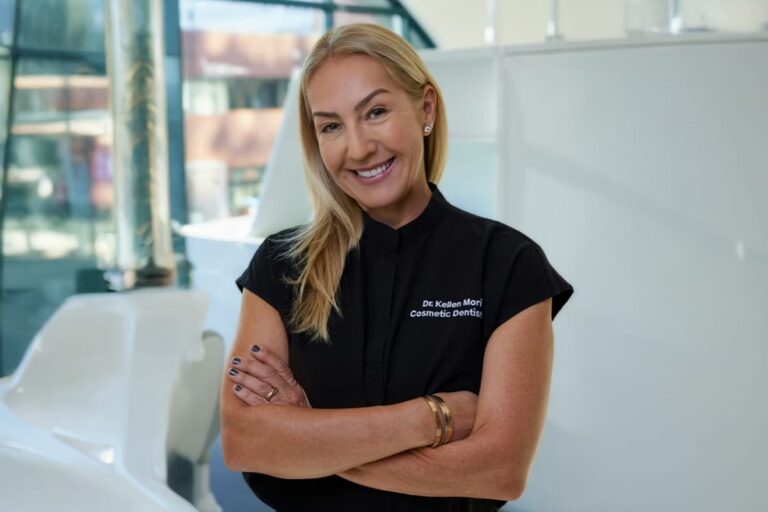
Dr. Kellen Mori, DDS
Cosmetic and restorative dentist — places veneers
Read the full bio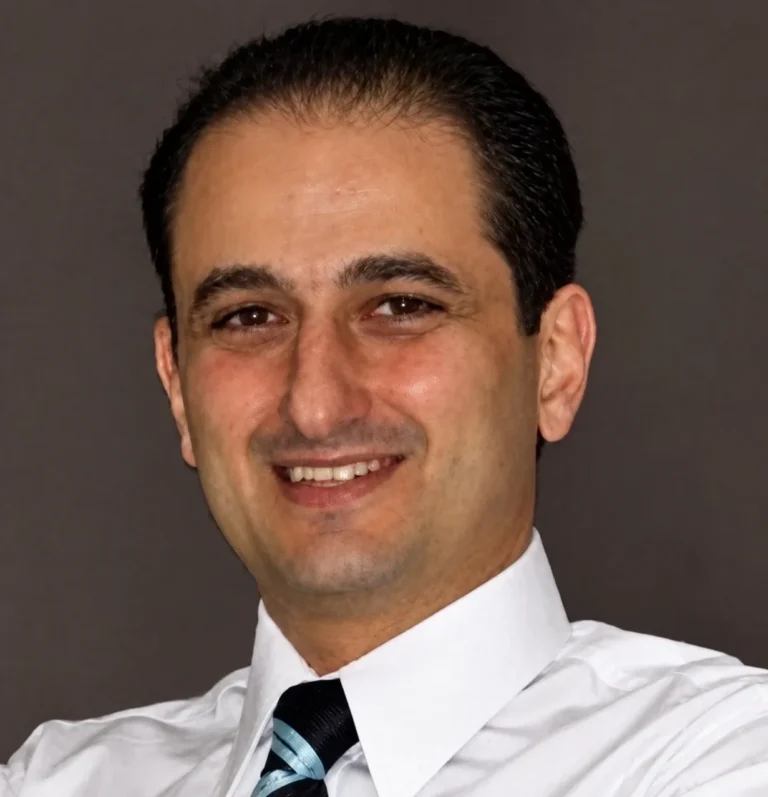
Dr. Ashraf Ghoneim, DDS
Prosthodontist — places veneers
Read the full bio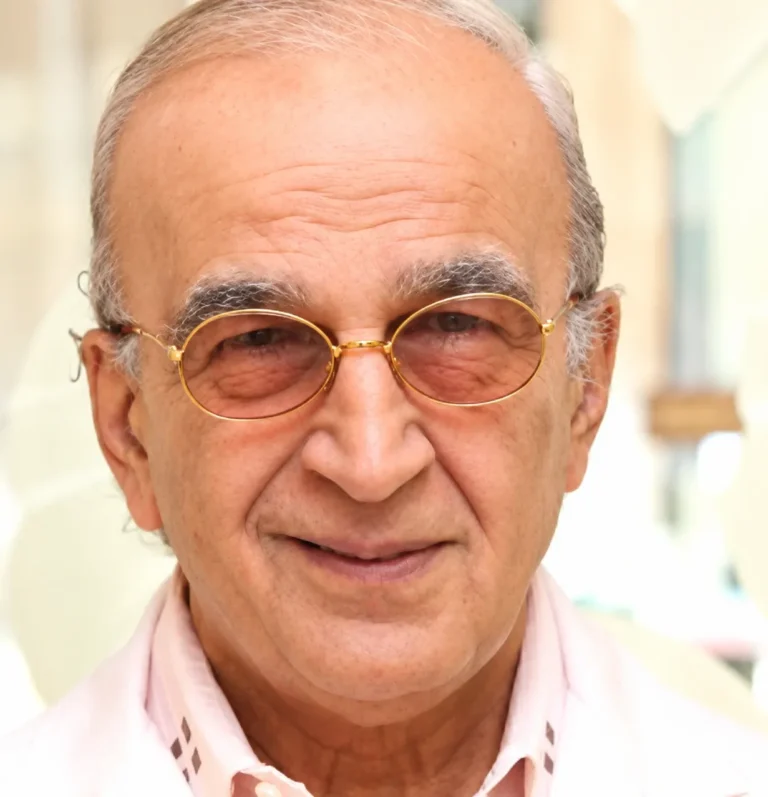
Dr. Mehdi Nayssan, DDS
General dentist — places veneers
Read the full bio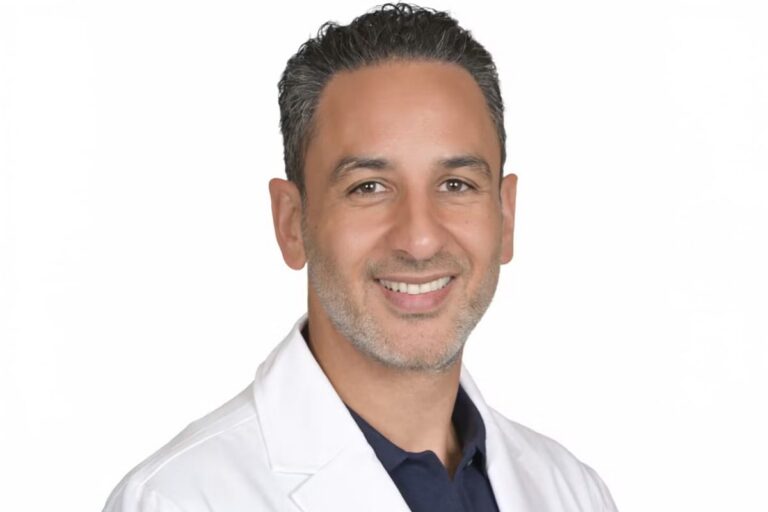
Dr. Shervin Molayem, DDS
Periodontist
Read the full bio
Dr. Arya Tehrany, DDS
Endodontist
Read the full bio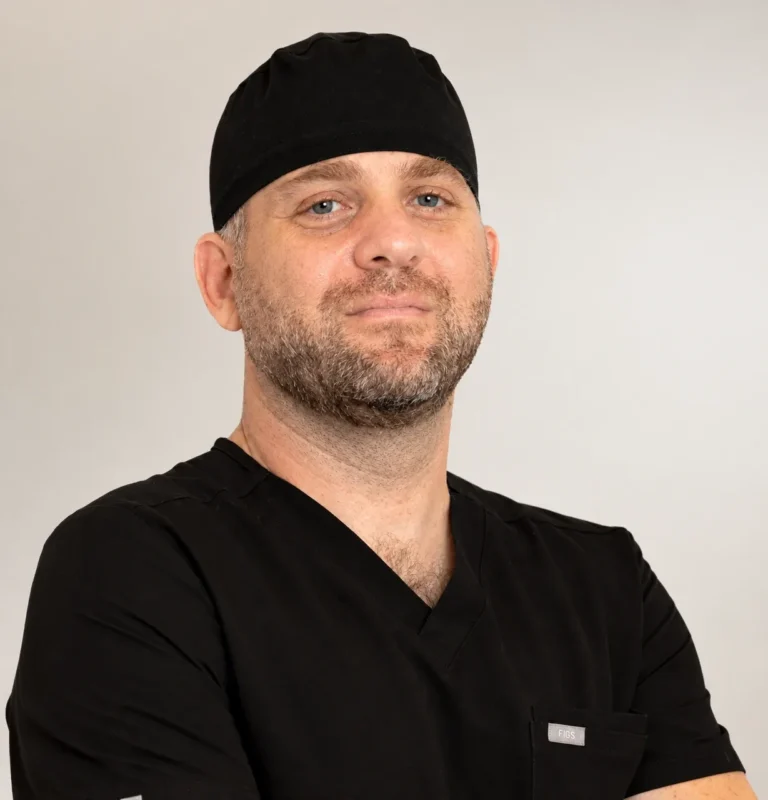
Dr. Apel Keuroghlian, MD DDS
Oral surgeon
Read the full bioVeneers vs. the Alternatives
Veneers are one of several ways to change how a tooth looks, and they are not always the right one. The comparison below is how Bedford's doctors weigh the options during a consultation.
| Option | Coverage | Enamel removed | Lifespan | Best for |
|---|---|---|---|---|
| Porcelain veneers | Front surface only | 0.3–0.5 mm | 10–20 years | Changing shape and color across several visible teeth |
| No-prep veneers | Front surface only | 0–0.3 mm | 10–20 years | Small, short or worn teeth, thin enamel, and spacing |
| Full-coverage crown | Entire tooth | 1–1.5 mm | 10–15 years | Teeth that are structurally compromised, cracked, or root-treated |
| Composite bonding | Targeted area only | Minimal to none | About 5 years | A single small chip, or a change the patient wants to trial first |
| Professional whitening | None | None | 6–18 months per cycle | Surface staining where shape and alignment are already good |
| Orthodontics | None | None | Permanent with retention | Correcting the position of teeth rather than their appearance |
Veneers or crowns?
A veneer covers the front of the tooth; a crown covers all of it. The choice is decided by how much sound tooth structure remains, not by appearance. Bedford's doctors recommend a crown when a tooth is cracked, heavily filled, or has had a root canal, because those teeth need the structural reinforcement that full coverage provides. Where the tooth is intact and the concern is how it looks, a veneer achieves the same aesthetic result while conserving considerably more natural tooth. A single treatment plan often includes both — a crown on a compromised tooth, veneers on its neighbors, matched in the same porcelain so the restorations are indistinguishable from one another. Compare crowns and veneers for front teeth.
Veneers or composite bonding?
Composite bonding is tooth-colored resin shaped directly onto the tooth in one visit, with little or no enamel removed. It costs less than porcelain and is reversible, which makes it a reasonable choice for a single small chip or for a patient who wants to see a change before committing to it. The trade-off is durability and color stability: composite is porous, so it stains over time and typically needs replacing about every five years, where porcelain holds its shade for the life of the restoration. Bedford's doctors generally suggest bonding for one or two teeth and porcelain where several adjacent teeth are being redesigned together.
Would whitening achieve this instead?
If the only concern is color and the teeth are well shaped and well aligned, professional whitening is the more conservative treatment and Bedford's doctors will say so — it removes no enamel and costs a fraction of veneers. Whitening works on surface and near-surface staining from coffee, tea, wine, and tobacco. It does not lift tetracycline banding, fluorosis, or the graying that follows a root canal, because that discoloration sits within the tooth. Whitening also changes nothing about shape, length, or spacing. Where the answer is color alone, start there; where shape is also in question, whitening will not resolve it.
Should I straighten my teeth first?
Sometimes, and this is one of the more consequential decisions in a veneer case. Veneers can mask mild crowding or rotation by reshaping the visible surface. Where teeth are significantly out of position, masking them requires removing more enamel from the teeth that sit forward — occasionally enough to compromise them. Orthodontics moves the teeth into position first, so the veneers that follow can be thinner and more conservative, and in some cases the patient decides against veneers altogether once the teeth are straight. Bedford's doctors assess this at the consultation and will recommend orthodontics first where it produces the better long-term result, even though it lengthens treatment.
Are You a Candidate for Porcelain Veneers?
Most adults in good oral health are candidates. The assessment is less about whether veneers are possible and more about whether the foundation underneath them is sound — which is why Bedford's consultation includes an examination of the gums, the bite, and the structural condition of each tooth before any cosmetic discussion.
Who is a good candidate
You are likely a candidate for porcelain veneers at Bedford Dental Group if your teeth and gums are healthy, your bite is stable, and your concern is the shape, color, or proportion of several visible teeth. Adults whose jaw growth is complete are suitable; teenagers generally are not. Good candidates also tend to be people who understand that veneers are a long-term commitment rather than a one-off cosmetic procedure — enamel is removed permanently, and the restorations will need replacing once or twice over a lifetime. If you are willing to wear a night guard where one is indicated and keep regular cleanings, the treatment tends to do well.
Who is not a good candidate
Veneers are not the right treatment for everyone, and Bedford's doctors will say so at the consultation rather than after. A single small chip is usually better addressed with composite bonding. Significantly crowded or rotated teeth are better corrected with orthodontics first. Teeth that are extensively broken down or root-treated generally need crowns rather than veneers. Active gum disease and untreated decay have to be resolved before any cosmetic work begins. Severe untreated grinding is a contraindication in its own right, though it is often a manageable one — see below. None of these rules a patient out permanently; most are a question of sequence.
Can I get veneers with gum disease or recession?
Active gum disease must be treated before veneers are placed. Veneers are bonded at the gum line, and inflamed or receding tissue moves, which leaves a visible margin and shortens the life of the restoration. Bedford treats periodontal disease in-house rather than referring it out, so the assessment, the treatment, and the veneer work happen under one roof and one treatment plan. Where recession has already exposed root surface, that is addressed first — sometimes with a gum graft — so that the final margin sits on stable tissue. Where periodontal disease has been treated, Bedford allows roughly four to six weeks after that treatment before starting veneer work, so the tissue has settled into its final position before the margins are placed.
Can veneers be combined with implants, crowns or bridges?
Yes, and combined cases are common in a practice with four specialties on site. A smile is rarely made up of teeth in uniform condition: one may be missing, another root-treated, several sound. Bedford plans these cases as a single restoration rather than a series of separate procedures, so the implant crown, the conventional crown and the porcelain veneers are designed and shaded together. This matters because an implant crown and a veneer handle light differently, and matching them after the fact is considerably harder than planning them together. Cases of this kind are where a prosthodontist matters most — restoring and replacing teeth in combination is the specialty itself, rather than an adjacent skill. The surgical and restorative work is coordinated between the doctors involved, and each is named in the treatment plan.
My bite is off — does that need correcting first?
Usually, yes. Porcelain is strong in compression and vulnerable to shear, so a veneer placed on a tooth taking abnormal lateral force is likely to fail early regardless of how well it was made. An uneven bite also tends to be the reason front teeth have worn short in the first place, which means treating the appearance without treating the cause rebuilds the same problem in ceramic. Bedford assesses the bite as part of the veneer consultation and corrects significant discrepancies before restorative work begins. The bite is checked with digital occlusal analysis and confirmed with articulating paper, and a facebow is used where the case calls for it.
Can I get veneers if I grind my teeth?
In most cases, yes, provided the grinding is managed. Bruxism is the most common cause of premature veneer failure, and it usually happens during sleep, so many patients do not know they do it — worn incisal edges, morning jaw soreness, and a history of chipped restorations are the signs Bedford's doctors look for. Where grinding is identified, treatment includes a custom night guard, and the material choice may change to something more fracture-resistant. Severe untreated grinding is a genuine contraindication, but it is usually treatable rather than disqualifying. A custom occlusal guard is included in the fee for every full-mouth veneer case at Bedford.
How Many Veneers Do You Need — The 4-8-10 Rule
The 4-8-10 rule is a smile-design guideline that veneers are usually placed in groups of four, eight, or ten teeth, depending on how many teeth show when you smile. The principle behind it is symmetry: treating an even number of matched teeth either side of the midline produces a result that reads as natural, where treating an odd or arbitrary group tends not to.
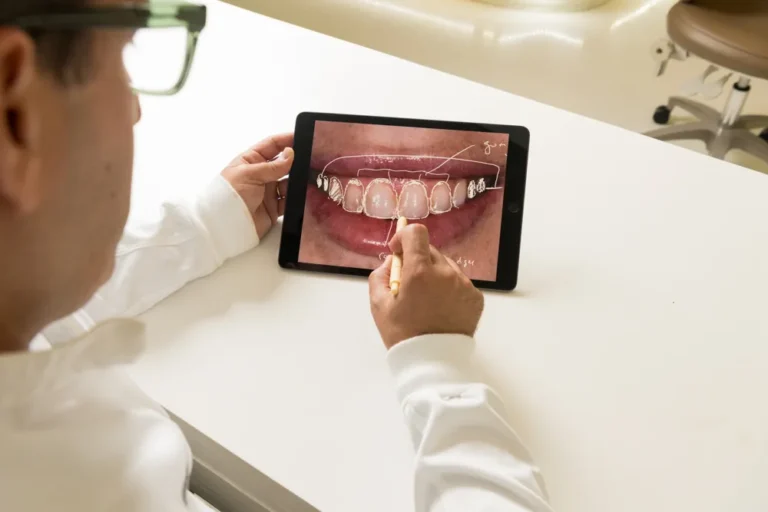
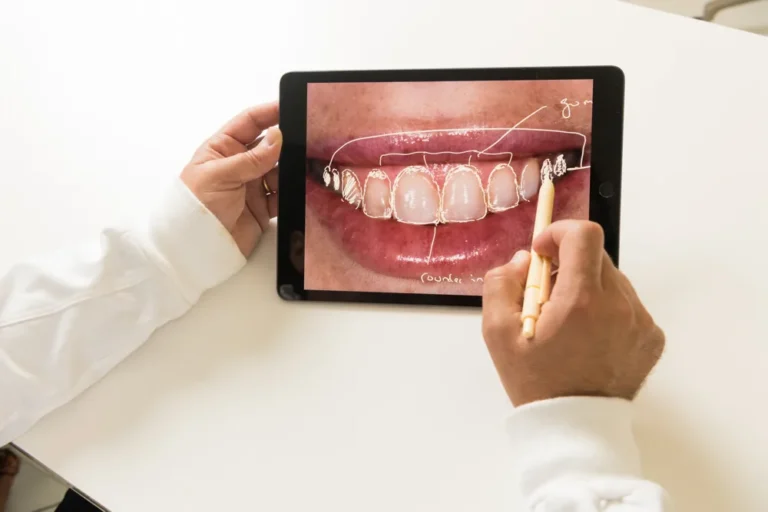
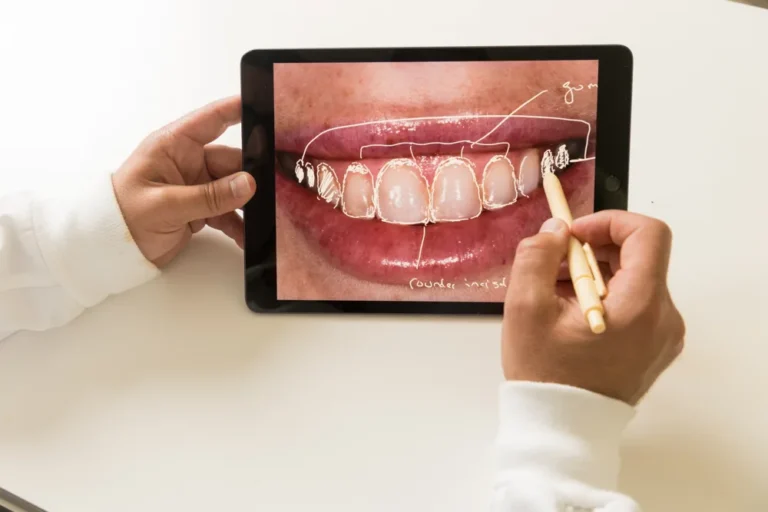
The number is decided by your smile line, not by preference. Bedford's doctors photograph the smile at rest, in a natural smile, and in a full smile, and the veneer count follows from how many teeth are visible in the second of those. Read more on how many veneers a case needs.
| Veneers | Teeth covered | Best for | Smile type |
|---|---|---|---|
| 4 | Four upper front teeth | A concern limited to the central and lateral incisors | Narrower smile line, less tooth shown |
| 6 | Four incisors plus canines | Where the canines are visible and differ in shade or shape | Moderate smile line |
| 8 | Incisors and canines, or upper and lower front teeth | The most commonly treated case | Standard smile line |
| 10 | Incisors, canines and first premolars | A full upper redesign where the back teeth show | Broad smile line |
| 12+ | Full upper arch, sometimes with lower | Wide smile zones, or where the lower arch also shows | Expressive smile, considerable tooth display |
The Porcelain Veneer Process at Bedford
Porcelain veneers at Bedford Dental Group are placed over three visits, and most cases run about two weeks from preparation to final bonding.
Visit 1 — consultation and smile design
The first visit establishes whether veneers are the right treatment and what the result will look like. Dr. Naysan examines the teeth, gums, and bite, takes photographs and a digital scan, and reviews any existing restorations that will need to be matched or replaced. The design discussion follows from that examination rather than from a catalogue: tooth proportion, the position of the gum line, how much tooth shows at rest and in a full smile, and how the edges of the upper front teeth follow the lower lip. Where the foundation needs attention first — periodontal treatment, a bite correction, orthodontics — that is raised at this visit, before any commitment is made.
Visit 2 — preparation and temporaries
At the second visit the teeth are prepared and temporary veneers are fitted. Preparation means removing 0.3 to 0.5 mm of enamel from the front surface so the porcelain sits flush rather than bulky, done under local anesthetic. A final impression or scan goes to the laboratory, and temporaries are made from the approved design and worn while the porcelain is fabricated. The temporaries are not a placeholder — they are how you test the result. You wear them through normal eating, speaking, and smiling, and anything that feels long, bulky, or unnatural is adjusted before those changes are transferred to the final porcelain.
Visit 3 — try-in and bonding
At the third visit the finished veneers are tried in before anything is bonded. They are held in place with water or try-in paste so you can see them in daylight and in the mirror, and shade and shape can still be adjusted or the case returned to the laboratory at this stage. Once approved, the tooth surface is cleaned and etched, the veneers are bonded individually, and the cement is light-cured. The bite is checked and refined and the margins are polished. You are seen again at one week and at six months to review the tissue response and how the veneers are functioning in normal use; both visits are included in the fee.
Does getting veneers hurt?
Tooth preparation is done under local anesthetic, so the second visit is not painful while it is happening. Afterwards, most patients report the treated teeth feel sensitive to hot and cold for a short period while the temporaries are in place and for a few days after bonding — this settles as the teeth adjust. Patients who have had a filling generally find veneer preparation comparable. Where dental anxiety is a factor, Bedford offers nitrous oxide, conscious sedation, and general anesthesia in addition to local anesthetic. Tell the doctor before treatment rather than during it, so the approach can be planned rather than improvised.
Which of our doctors will do my veneers?
Bedford Dental Group has seven doctors, and four of them place porcelain veneers: Dr. Daniel Naysan and Dr. Kellen Mori, the practice's lead cosmetic dentists; Dr. Ashraf Ghoneim, a prosthodontist; and Dr. Mehdi Nayssan, a general dentist.
Prosthodontics is the dental specialty concerned with restoring and replacing teeth, and it requires three years of accredited residency beyond dental school. Where a case involves a full arch, an existing crown or implant that has to be matched, or a bite that needs rebuilding as well as a smile that needs redesigning, that is the training it draws on.
Three further specialists handle the work a veneer case sometimes depends on, without sending you elsewhere for it. Dr. Shervin Molayem, periodontist, treats gum disease and performs grafting, gum surgery, lip repositioning and gummy-smile correction. Dr. Apel Keuroghlian, oral surgeon, handles extractions, bone grafts and implant placement. Dr. Arya Tehrany, endodontist, performs root canal treatment.
You are told at the consultation which doctors will be involved in your case and why. A case that needs gum work before the margins are placed, or a root canal on a discolored front tooth before it is veneered, is planned and carried out by the same team rather than split across two practices.
Types of Porcelain and Shade Selection
Not all porcelain behaves the same way. The material is chosen per case, and the choice is a clinical decision about how the tooth is loaded and how much of the underlying tooth needs to be masked — not a question of grade or quality.
| Material | Thickness | Strength | Appearance | Used at Bedford |
|---|---|---|---|---|
| Feldspathic porcelain, hand-layered | 0.2–0.3 mm | Lower than pressed ceramic | The most translucent option. A skilled ceramist can reproduce enamel translucency, internal effects, the halo at the incisal edge, mamelons, and the subtle variations in brightness across a single tooth. | Yes — where the optical result leads and the tooth beneath is a good color |
| Pressed lithium disilicate (e.max) with a facial and incisal cutback, hand-layered | 0.3–0.5 mm | High — the pressed core carries the load | Layered facial surface gives depth a solid pressed veneer cannot | Yes — where the case needs more strength |
| Monolithic pressed lithium disilicate, no cutback | 0.3–0.5 mm | High | Uniform; less depth at the incisal edge | Case by case |
| Zirconia | Thicker | Highest | Most opaque | Not used for veneers at Bedford |
e.max is Ivoclar's brand name for lithium disilicate — the same material, not a separate category.
Bedford's ceramists at Beverly Hills Dental Lab work in the Vita 3D-Master system and also match shades custom to the patient, which is how most full cases are handled.
| Shade direction | Appearance | Best for | How it ages |
|---|---|---|---|
| Natural — matched to existing teeth | Indistinguishable from untreated teeth | Patients having four or six veneers with natural teeth adjacent | Ages with the surrounding teeth |
| One to two shades brighter | Noticeably brighter, still within natural range | The most commonly chosen direction for a full case | Holds; surrounding natural teeth may darken around it |
| Bright white | Uniform, high-value white | Full upper and lower cases, on-camera work | Holds shade; contrast with natural teeth increases if only the upper arch is treated |
How the shade is actually chosen
Shade is selected against your complexion, the whites of your eyes, and the teeth that are not being treated — not by picking a number off a chart. A shade that looks right under surgery lighting can look wrong in daylight, which is why the try-in at Visit 3 happens before anything is bonded, and why patients select the final shade with the ceramist rather than from a chart in the surgery. Where only the upper teeth are being treated, the lower teeth set the ceiling on how bright the result can go without the difference becoming obvious.
How Much Do Porcelain Veneers Cost at Bedford?
A porcelain veneer at Bedford Dental Group is $3,950 per tooth.
That fee includes the consultation and diagnostic records, the digital scan and smile design, local anesthetic, the temporary veneers you wear between visits, all laboratory fees, and your post-operative visits at one week and six months. On full-mouth cases it also includes a custom occlusal guard.
It does not include treatment a case needs before the veneers can be placed. Periodontal therapy, a bite correction, orthodontics, or replacing failing restorations underneath are quoted separately after the examination, and they are the reason two cases with the same number of veneers can differ in total. Removing veneers placed elsewhere also carries an additional fee, quoted for the individual case.
The number of veneers a case needs is established from your smile line rather than from preference, so the total depends on how many of your teeth show when you smile. You are given the cost of your whole case in writing after the consultation, before anything is committed to. Financing is available and is set out below.
What makes one case cost more than another
The veneer fee itself is fixed at $3,950 per tooth, whichever porcelain the case calls for. What changes between one case and the next is the number of veneers, and what has to happen before they are placed.
The number of veneers follows the smile line, not a preference. A patient who shows four teeth and a patient who shows ten are different cases before anything else is considered.
Preparatory treatment is the largest variable. Periodontal therapy, a bite correction, orthodontics, or replacing failing restorations underneath all add to the total, and all of them are about making the veneers last rather than about the veneers themselves.
Revision cases carry an additional fee. Replacing veneers placed elsewhere means removing them without damaging the tooth beneath, and establishing why the originals failed before anything is rebuilt. That work is quoted for the individual case after the examination, because what it takes depends on how the original restorations were placed.
Because the per-veneer fee is fixed, the written treatment plan you are given after the consultation is the whole cost, not an estimate that moves later.
Does insurance cover veneers?
Dental insurance generally does not cover porcelain veneers, because insurers classify them as a cosmetic rather than a restorative treatment. There are situations where part of a treatment plan may be covered — where a tooth is being restored after fracture or decay rather than purely for appearance, for example — and Bedford's team will review your plan and tell you which components, if any, are likely to qualify. The exception Bedford sees is a case where the veneer is doing functional rather than cosmetic work — restoring a tooth after fracture or significant wear, for instance — and insurers do sometimes approve treatment on that basis. That is an exception rather than an expectation, and the practice will tell you which it is before you commit to a plan.
Financing options
Bedford Dental Group works with Sunbit, Alphaeon, Cherry, CareCredit, and LendingClub, which offer monthly payment plans for dental treatment including cosmetic work. Approval, terms, and interest are set by the finance provider rather than by the practice, and several offer interest-free periods for balances repaid within a set term. Bedford's treatment coordinator can walk through the options and what each would mean for your treatment plan before you commit to anything. Applications are made directly with the provider, and being declined by one does not prevent applying to another.
How Long Veneers Last and How to Care for Them
Porcelain veneers last 10 to 20 years with routine care. The porcelain itself does not stain and does not decay — what determines how long a veneer lasts is the health of the tooth underneath it, the gum tissue at its margin, and how much force the bite puts through it.
The most common reasons a veneer needs replacing early are untreated grinding, gum recession exposing the margin, and decay developing in the tooth behind the restoration. All three are manageable, and all three are what the recall appointments are for. Bedford sees veneer patients at one week and six months after treatment, then every three to six months depending on periodontal health.
| Practice | Frequency | Why it matters |
|---|---|---|
| Brush with a soft-bristled brush and non-abrasive toothpaste | Twice daily | Whitening and charcoal pastes are abrasive and dull the surface glaze over time |
| Floss, including at the margins | Daily | Decay in the tooth behind a veneer is a leading cause of replacement, and it starts at the margin |
| Wear the occlusal guard | Nightly | Grinding is the most common cause of premature veneer fracture and debonding. A custom guard is included in every full-mouth case at Bedford |
| Professional cleaning and periodic oral evaluation | Every 3 to 6 months, depending on your periodontal health | Margins and gum health are assessed before a problem becomes visible |
| Avoid biting hard objects — ice, pens, fingernails | Ongoing | Porcelain handles chewing force well and point impact poorly |
| Limit staining agents where natural teeth are adjacent | Ongoing | The porcelain holds its shade, but untreated neighboring teeth darken, and the difference shows |
On whitening after veneers
Porcelain does not respond to whitening agents. If you plan to whiten your natural teeth at any point, do it before the veneers are made, so the porcelain is shaded to match the lighter result. Whitening afterwards lightens only the untreated teeth and creates a mismatch.
Risks and What Can Go Wrong
Veneers are a well-established treatment, and they involve real trade-offs. Bedford's doctors go through these at the consultation rather than in the consent form. Read the full pros and cons of porcelain veneers.
Risks and downsides
It is permanent. Enamel removed for a standard veneer does not grow back. A prepared tooth needs a veneer or a crown from then on.
Sensitivity. Most patients experience sensitivity to hot and cold after preparation and for a period after bonding. It typically settles within a few days. A small number of patients find it persists and needs treating.
They will need replacing. Ten to twenty years is the expected lifespan, not a maximum. Most patients having veneers in their thirties should expect to replace them at least once.
Porcelain can fracture. Trauma, heavy bite forces, and untreated grinding can chip or fracture a veneer. A fractured veneer is generally replaced rather than repaired.
They do not whiten. The shade you approve is the shade you keep. Natural teeth adjacent to veneers continue to darken with age, and that difference becomes visible over time.
Gum recession changes the margin. If the gum recedes, the junction between porcelain and tooth becomes visible at the gum line.
What if I don't like the result?
The design is approved at three points before anything becomes permanent: the digital design at the consultation, the temporaries you wear between visits, and the try-in at the third visit, when the finished veneers are held in place unbonded and can still be returned to the laboratory. The temporary stage is the one that matters most, because it is the only one where you see the proposed result in your own mouth, in daylight, over several days. You also choose the final shade with the ceramist rather than being handed a result to accept, and revisions requested at that stage are made before the porcelain is fabricated. Changes requested after bonding are considerably harder, which is why Bedford front-loads the approval rather than relying on a remake.
Can veneers done elsewhere be corrected?
Yes, and Bedford treats a number of these cases. Veneers placed elsewhere are commonly replaced because of a visible margin at the gum line, a shade that no longer matches the surrounding teeth, bulky or over-contoured porcelain, recurrent decay under the restoration, or repeated fracture where the underlying bite problem was never addressed. Replacement cases are assessed differently from new ones: the first question is why the original restorations failed, because replacing them without correcting the cause reproduces the same outcome. That assessment may involve the periodontist or a bite evaluation before any restorative work is planned. Bring any records you have from the original treatment if you can obtain them.
The Practice
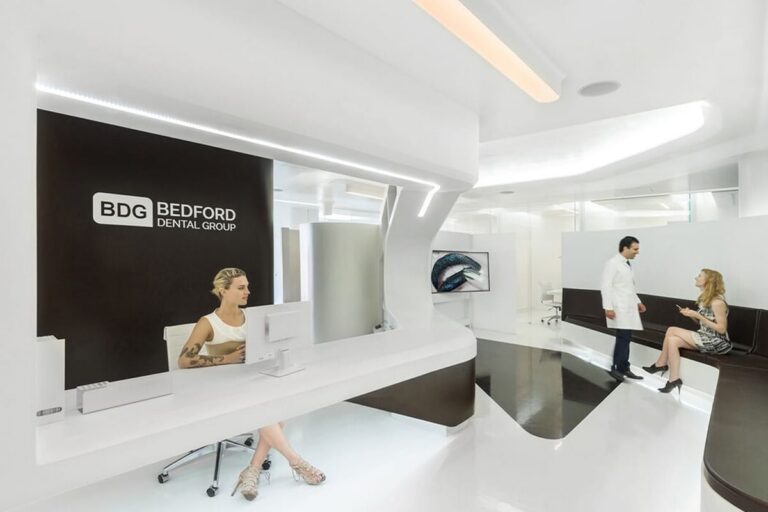
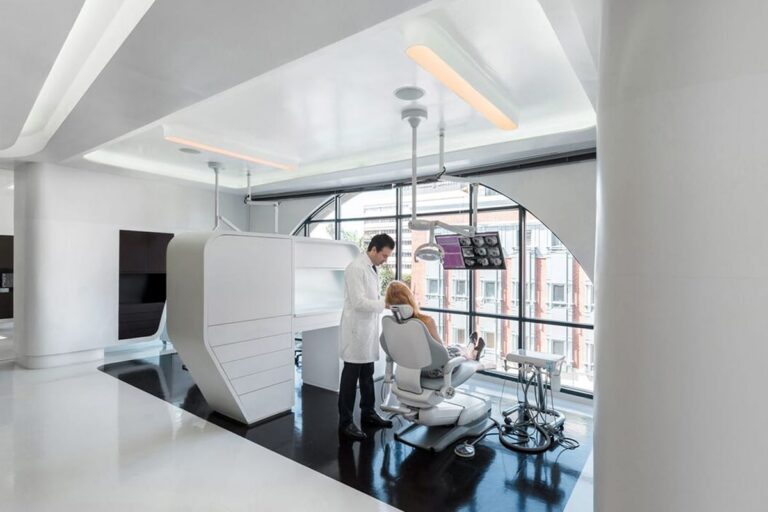
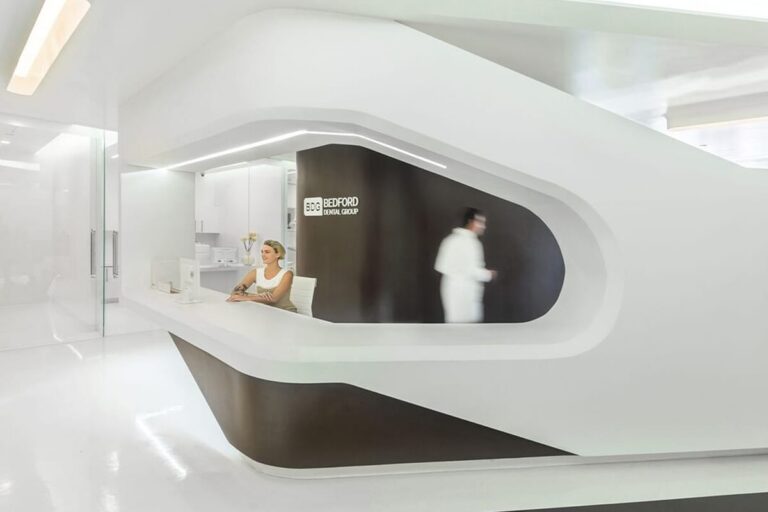
Bedford Dental Group has been at 436 N Bedford Drive since 1991, a short walk from Rodeo Drive. The suite is on the third floor, elevator-accessible and ADA-compliant, with valet and street parking.
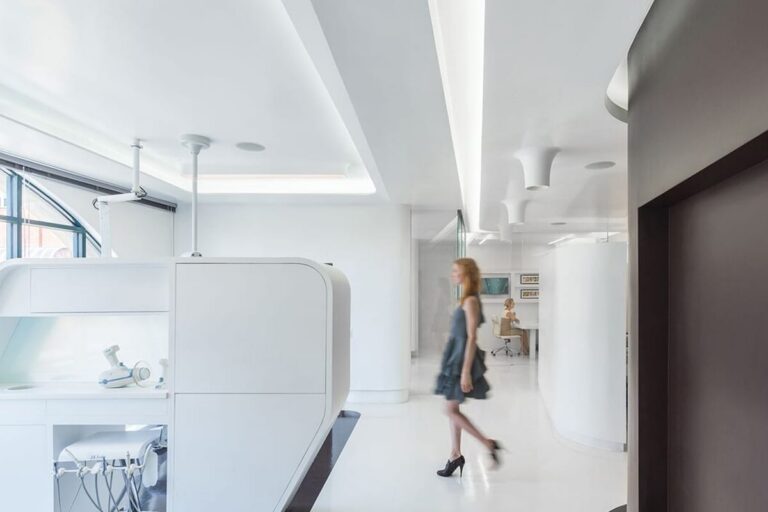
Veneer consultations are held in a private consultation room, where the smile design is worked through on screen with you before anything is scheduled. Treatment takes place in private operatories equipped for digital imaging and 3D intraoral scanning — the same scans the laboratory works from.
Frequently Asked Questions
Are porcelain veneers permanent?
Yes. Porcelain veneers are a permanent treatment because the enamel removed to place them does not grow back. The veneers themselves last 10 to 20 years and are replaced at the end of that period rather than removed, so a tooth prepared for a veneer will need a veneer or a crown from then on. No-prep veneers, which remove little or no enamel, are the exception in some cases.
Do veneers ruin your natural teeth?
No. Preparing a tooth for a veneer removes a thin layer of enamel — 0.3 to 0.5 mm — and the tooth underneath remains healthy and functional. It is permanently altered rather than damaged. The tooth stays vulnerable to decay at the margin, which is why flossing and regular cleanings matter as much after veneers as before.
How long do veneers last?
Porcelain veneers placed at Bedford Dental Group last 10 to 20 years with routine care. Lifespan depends on the health of the underlying tooth, the gum tissue at the margin, and bite forces — untreated grinding is the most common reason a veneer fails early.
How much do porcelain veneers cost at Bedford?
A porcelain veneer at Bedford Dental Group is $3,950 per tooth. That fee covers the consultation and records, the digital scan and smile design, anesthetic, temporaries, laboratory fees, and the one-week and six-month post-operative visits. The number of veneers a case needs is established from your smile line, and any treatment needed before the veneers are placed is quoted separately after the examination.
Can veneers stain over time?
The porcelain does not stain. It is non-porous and holds its shade for the life of the restoration. What changes is the natural teeth next to the veneers, which continue to darken with age, so the difference between treated and untreated teeth can become visible over time.
Will veneers look natural?
That depends on how the shade and shape are chosen. Veneers matched to your complexion and to the teeth that are not being treated read as natural; uniformly bright veneers in a mouth of natural teeth do not. Bedford's try-in appointment exists so you see the result in daylight before anything is bonded.
Is the veneers procedure painful?
Tooth preparation is carried out under local anesthetic. Most patients report sensitivity to hot and cold for a short period afterwards, comparable to having a filling, which settles as the teeth adjust.
Do veneers require special care?
They require the same care as natural teeth, plus a night guard where grinding is a factor and avoiding abrasive whitening toothpastes, which dull the surface glaze. Flossing at the margins matters particularly, because decay in the tooth behind a veneer is a leading cause of replacement.
How many veneers will I need?
Usually four, eight, or ten, following the 4-8-10 rule — the number is determined by how many teeth are visible when you smile, not by preference. Bedford's doctors photograph your smile at rest and in a full smile to establish the count.
Can I get veneers if I have gum disease?
Not until it is treated. Veneers are bonded at the gum line, and inflamed or receding tissue leaves a visible margin and shortens the life of the restoration. Bedford treats periodontal disease in-house, so assessment and treatment happen under the same treatment plan.
“I recently visited Bedford Dental for a deep cleaning and I can’t recommend them enough! From the moment I walked in, the desk staff greeted me with warmth and friendliness, mak…”
– J . G
“Dr. Mori and her staff are not only incredibly knowledgeable and professional, but genuinely amazing at what they do. From the moment you walk in, they make you feel completely …”
– E . C
“I have always had a fantastic experience with Dr. Naysan. I wanted veneers for almost a decade but couldn’t find a dentist that made them look as natural. He is truly an a…”
– J . D
“I recently saw Dr. Mori for veneers for my two front teeth. She also has been my dentist for non-cosmetic dental work for a few years. She is an outstanding clinical dentist wit…”
– P . N
” From the beginning Dr. Naysan, Erin and the whole staff were so welcoming and kind! I went in for a cleaning and wanting to inquire about replacing my implant. It had been almos…”
– E . R
“Dr. Naysan is fantastic! Before having my veneers done I refused to smile because I was so embarrassed of my teeth. That was 5 years ago, and I have not stopped smiling since! H…”
– K . K
“Extremely friendly environment with lovely staff. Dr Mori is kind, gentle and such a nice person! I came with a pre existing issue and was taken care of swiftly and without pain…”
– C . C
“Coming to Bedford Dental Group has changed my view on the overall dental visit.
The Dental Hygienist took her time to educate me and help me get a deeper clean with simple steps…”
– S . C
“I have always been scared of the dentist but ever since finding Bedford that has changed my mind completely. Not only is everyone so sweet and accommodating, you always feel wel…”
– A . G
“As a child, I hated going to the dentist-but ever since finding Dr. Naysan and Bedford Dental, I can confidently say I only dislike it now! From the warm welcome from Kati…”
– J . A
“Dr. Kellen Mori is FANTASTIC! I have a had a lot of dental work done over the years and Dr. Mori and Bedford are at the top of the list. Excellent communication, professionalism…”
– B . L
“Highly recommend!! Dr Trevor is the BEST! The office staff is amazing. Very nice and super helpful. Hands down greatest dentist I’ve ever been to. l’ll never go to a…”
– B . S
“Dr. Kellen Mori did my veneers and she truly changed my confidence in my smile. The work she did was so excellent, she’s very knowledgeable and skilled. I definitely recom…”
– P . W
Schedule a Consultation
Meet with Dr. Daniel Naysan at Bedford Dental Group in Beverly Hills to find out whether porcelain veneers are right for you.
Schedule a Consultation