

Last Updated: October 2025
When it comes to crafting a beautiful, confident smile, both porcelain veneers and Lumineers offer transformative results — but the two treatments aren’t quite the same.
At Bedford Dental Group in Beverly Hills, Dr. Daniel Naysan and our team specialize in smile design that looks as natural as it is stunning. Understanding how veneers and Lumineers differ in preparation, longevity, and appearance is key to choosing the best option for your smile goals.
Below, we’ll break down the essentials, compare their pros and cons, and help you decide which approach might be your perfect fit.
Table of Contents What Are Porcelain Veneers?What Are Lumineers?Veneers vs. Lumineers: A Side-by-Side ComparisonKey Differences to ConsiderCost ComparisonPros and Cons of Porcelain VeneersPros and Cons of LumineersWhich Is Right for You?Who Are Ideal Candidates for Veneers and Lumineers?Risks and ConsiderationsTransform Your Smile with Bedford Dental GroupFAQs About LumineersRelated Reading
What Are Porcelain Veneers?
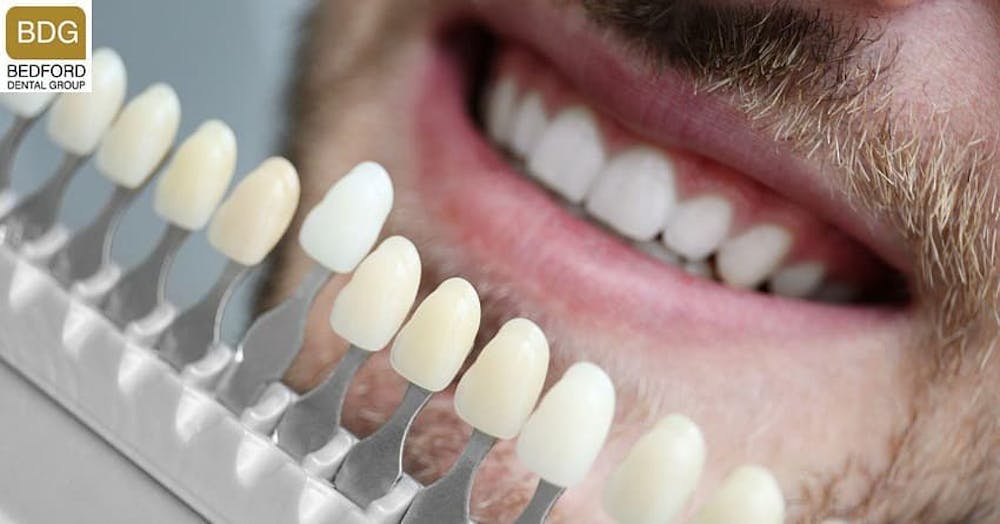
Porcelain veneers are thin, handcrafted shells that reshape and brighten your smile by covering imperfections like chips, stains, or small gaps. Each one is carefully designed to match the color and contour of your natural teeth, then bonded to the front surface to create a smooth, balanced look.
Made from high-grade porcelain that reflects light much like real enamel, veneers deliver a healthy, luminous appearance that lasts. To ensure a perfect fit, Dr. Naysan gently prepares each tooth so the veneer blends seamlessly with the rest of your smile.
Porcelain veneers are ideal for patients seeking a comprehensive smile makeover with results that can last a decade or longer with proper care.
What Are Lumineers?
Lumineers are a specific brand of ultra-thin porcelain veneers made from Cerinate® porcelain — a strong, translucent material that allows for minimal or even zero enamel removal. Because of this no-prep design, Lumineers are considered a more conservative and reversible cosmetic option.
They can often be applied without anesthesia and require fewer visits than traditional veneers. However, their thinner profile can mean slightly less customization in shape and shade compared to full porcelain veneers.
Lumineers are best for patients with mild cosmetic concerns such as small gaps, stains, or slightly uneven teeth who want to preserve their natural tooth structure.
Veneers vs. Lumineers: A Side-by-Side Comparison
|
Feature |
Porcelain Veneers |
Lumineers |
|---|---|---|
|
Material |
Dental porcelain |
Cerinate® porcelain |
|
Thickness |
~0.5 mm |
~0.2 mm |
|
Tooth Preparation |
Enamel removal required |
Minimal or none |
|
Reversibility |
Not reversible |
Potentially reversible |
|
Customization |
Fully customizable |
Limited due to thinness |
|
Durability |
10–15+ years |
8–12 years |
|
Aesthetic Finish |
Highly refined, natural luster |
Subtle, natural translucency |
|
Cost (Per Tooth) |
$2,500-$4,500 |
$1,500–$3,000 |
Key Differences to Consider
Tooth Preparation
Porcelain veneers require light enamel removal for a perfect fit, making them a permanent solution. Lumineers generally require no reduction, preserving natural teeth and offering potential reversibility.
Aesthetics
Veneers allow for full customization in shape, color, and alignment, creating truly bespoke results. Lumineers are slightly thinner, so while they maintain a natural translucency, they may appear less sculpted in cases that require significant correction.
Longevity and Durability
Porcelain veneers are renowned for their strength and stain resistance, often lasting 10–15 years or more. Lumineers are durable but may be more prone to wear over time, typically lasting around a decade with proper care.
Comfort and Procedure Time
Lumineers usually involve a quicker, less invasive application and minimal discomfort. Veneers take additional visits for preparation and fitting but offer a more transformative outcome.
Reversibility
Traditional veneers are permanent because enamel reduction cannot be undone. Lumineers, when placed without preparation, can often be removed later if desired.

Cost Comparison
While prices vary depending on the complexity of your smile design, location, and the materials used, the general ranges are:
- Porcelain Veneers: $2,500–$4,500 per tooth
- Lumineers: $1,500–$3,000 per tooth
Because Lumineers involve less preparation, they may offer a lower initial cost. However, porcelain veneers often provide greater longevity and may deliver better long-term value.
For a detailed look, check out our Porcelain Veneers Cost Guide.
Pros and Cons of Porcelain Veneers
Pros of Porcelain Veneers
-
Long-lasting, durable, and stain-resistant
-
Fully customizable for shape, shade, and contour
-
Delivers dramatic, permanent smile transformations
Cons of Porcelain Veneers
-
Requires enamel removal
-
Not reversible
-
Higher upfront investment
Pros and Cons of Lumineers
Pros of Lumineers
-
Little to no enamel removal required
-
Quicker, minimally invasive procedure
-
Potentially reversible
Cons of Lumineers
-
Slightly less durable and customizable
-
May appear bulkier on some smiles
-
Not ideal for major structural corrections
Which Is Right for You?
Choosing between veneers and Lumineers depends on your goals, tooth structure, and desired level of change.
- If you want a permanent, fully customizable smile makeover, porcelain veneers deliver the most natural, tailored results.
- If you prefer a conservative, no-prep option that maintains your existing teeth, Lumineers may be ideal.
During your consultation, Dr. Daniel Naysan will evaluate your smile using advanced digital imaging to preview results before any treatment begins.
Who Are Ideal Candidates for Veneers and Lumineers?
Best Candidates for Veneers:
-
Moderate to severe discoloration or wear
-
Chips, cracks, or uneven teeth
-
Patients comfortable with permanent results
Best Candidates for Lumineers:
-
Mild cosmetic imperfections
-
Good overall enamel health
-
Patients who prefer a reversible, non-invasive approach
Risks and Considerations
Both veneers and Lumineers are safe, proven procedures when performed by an experienced cosmetic dentist. Some patients may experience mild, temporary sensitivity after their placement. Lumineers may be slightly more prone to the edge chipping if misused because of their thinness.
Regular checkups, good hygiene, and avoiding habits like nail-biting or teeth grinding can extend the life of either restoration.

Transform Your Smile with Bedford Dental Group
Both porcelain veneers and Lumineers can deliver stunning results but the difference lies in the details.
At Bedford Dental Group in Beverly Hills, Dr. Daniel Naysan and our cosmetic team specialize in tailoring each smile to your personality and goals.
Whether you’re looking for a full transformation or a subtle enhancement, we’ll help you choose the treatment that brings your best smile to life.
Ready to take the next step? Schedule your consultation today to discover whether veneers or Lumineers are right for you.
FAQs About Lumineers
Are Lumineers better than veneers?
Neither is objectively better. It simply depends on your goals. Veneers are ideal for dramatic, permanent results, while Lumineers are preferred for minimal, reversible enhancements.
How long do Lumineers last compared to veneers?
With proper care, Lumineers typically last 8–12 years, while porcelain veneers can last 10–15 years or longer.
Related Reading
Want to learn more about veneers and other smile enhancement options? Explore more from our cosmetic dentistry experts: