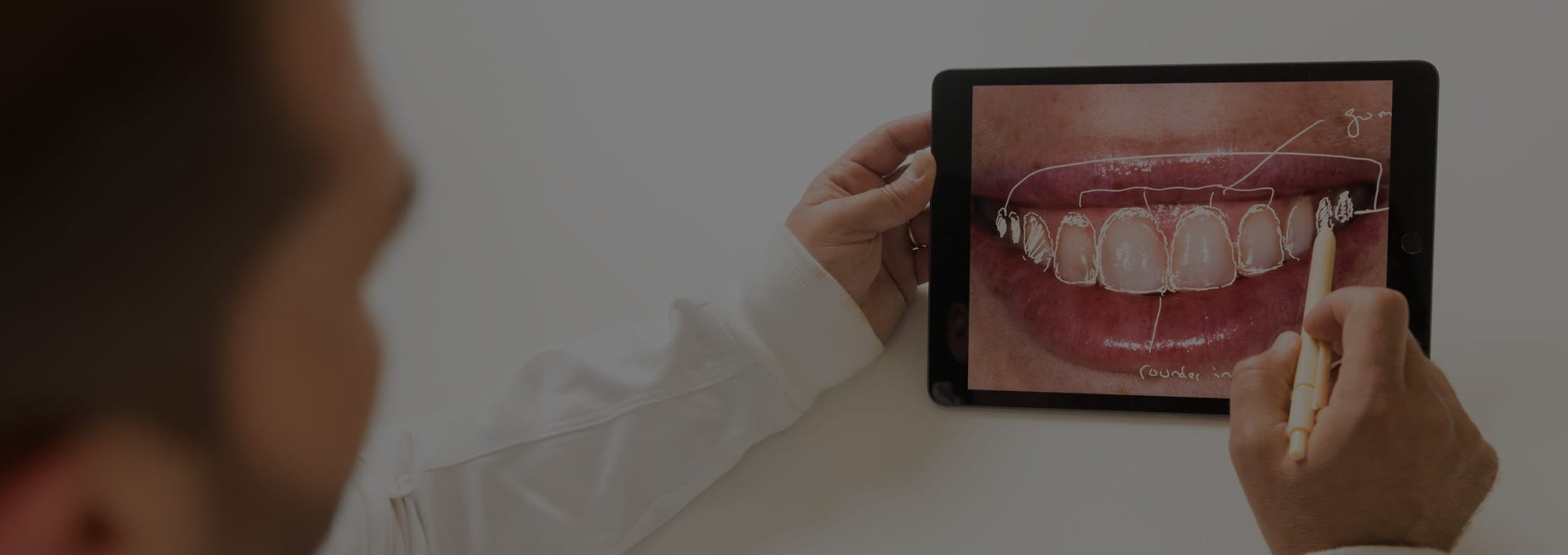

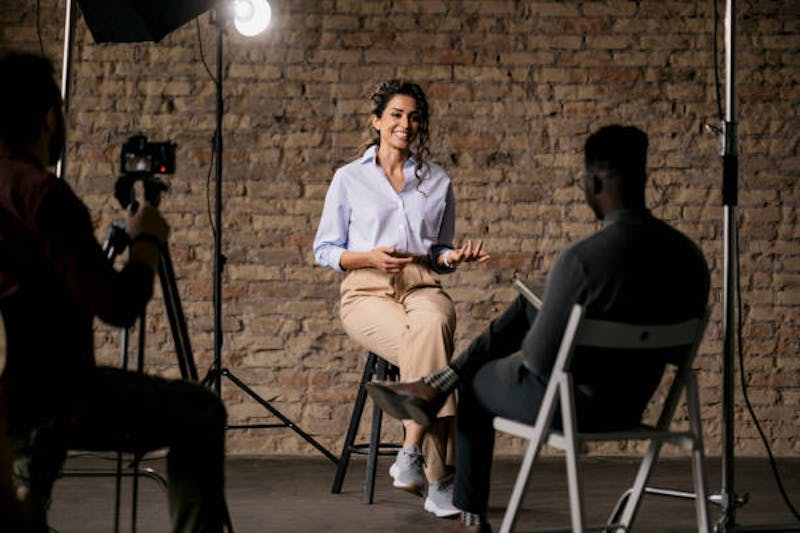
At Bedford Dental Group, led by Daniel Naysan, DDS, cosmetic dentistry is treated as a design process built around the individual. For actors, influencers, and on-camera professionals, veneers are often a strong option when a smile needs to look natural in close-up and on camera, especially for patients with healthy teeth and gums and clearly defined goals.
Modern cameras pick up far more than a bright smile. High-definition lenses and controlled lighting reveal translucency, texture, and subtle color variation that often go unnoticed in everyday life. Porcelain veneers are designed to mimic how natural enamel interacts with light, creating depth and a more lifelike appearance on screen. Clinical research supports their reliability when carefully planned and bonded, with consistently high success rates reported in the short to medium term. When done correctly, veneers provide noticeable refinement without appearing artificial. In this blog, we’ll break down what makes veneers work so well for on-camera professionals and how they’re designed for that level of visibility.
Why Camera-Ready Smiles Demand Precision Veneers
A smile that feels balanced in person can appear flat or overly uniform under studio conditions. Camera sensors heighten contrast and reveal surface detail, making even subtle inconsistencies more apparent.
To meet these demands, veneers are designed with layered optical control:
- Translucency control: Internal layering allows light to pass through the veneer in a way that mimics natural enamel rather than reflecting as a solid surface
- Surface texture: Fine micro-contouring diffuses light across the tooth, reducing harsh reflections under direct lighting
- Shade transitions: Gradual tonal variation creates dimension from the gumline to the edge, avoiding a single, uniform shade
This level of specificity is what allows a smile to read naturally in close-up, high-resolution footage.
The Technical Requirements of a Camera-Ready Smile
On-camera veneer design follows a face-first, whole-system methodology. Teeth are assessed as part of a broader framework that includes facial structure, movement, and expression.
That framework involves:
- Shade mapping: Blending multiple tones to create depth and avoid overly bright, monotone results
- Incisal edge refinement: Shaping edges to control light interaction and introduce natural translucency
- Facial proportion alignment: Adjusting tooth size and position to harmonize with facial symmetry and lip dynamics
- Material selection: Choosing advanced ceramics that maintain color stability while replicating enamel behavior
When these elements are aligned, the result feels integrated with the face. Otherwise, veneers can stand out, especially in motion or under direct lighting.
Planning Around Production, Press, and Red Carpet Timelines
For on-camera professionals, veneer treatment must be aligned with production schedules, travel, and public appearances. Poor timing can make even well-executed work feel noticeable.
Planning typically accounts for:
- Pre-production design: Mockups and refinements are completed ahead of filming to ensure clarity before any permanent changes
- Media readiness: Final placement is timed so the smile appears settled during interviews and press coverage
- Event timing: Treatment is coordinated around major appearances so results feel established rather than recent
At Bedford Dental Group, scheduling is structured to integrate seamlessly with demanding calendars while preserving the integrity of the final result.
Privacy, Concierge Scheduling, and Discretion
For actors and influencers, privacy is often a requirement, not a preference. The process behind a smile transformation should remain controlled and discreet.
That level of discretion is maintained through:
- Private scheduling: Appointments are arranged to minimize visibility and reduce time in-office
- Concierge coordination: Treatment, timing, and logistics are managed with close attention to detail
- Flexible sequencing: Care is adapted around evolving schedules without compromising clinical standards
A Thoughtful Approach to Veneers for On-Camera Professionals
Veneers are most effective for on-camera professionals when candidacy and design are approached with discipline. Bedford Dental Group applies a face-first methodology to create results that remain consistent across lighting conditions, camera formats, and real-world use.
If your work depends on how you appear on screen, your smile should perform reliably in every setting. Schedule a consultation with Bedford Dental Group to determine if veneers are the right fit for your goals and timeline.
Sources
Survival Rates for Porcelain Laminate Veneers: A Systematic Review