Dentistry Designed to Preserve

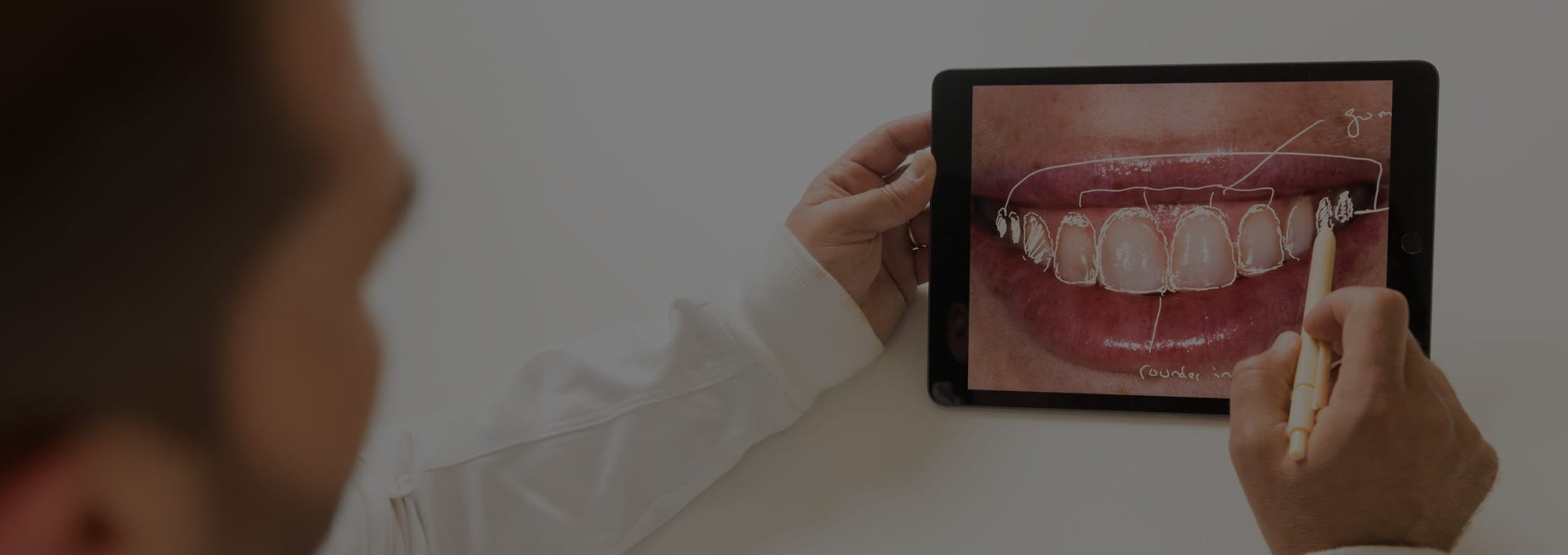
Many traditional dental treatments rely on aggressive preparation that removes healthy tooth structure to place restorations. While effective in the short term, this approach can weaken teeth over time, leading to repeated interventions. At Bedford Dental Group, biomimetic dentistry in Beverly Hills focuses on working with the natural biology of the tooth. By mimicking the natural flexing, bonding, and functioning of teeth, we aim to restore strength while preserving as much healthy structure as possible, thereby supporting longevity, comfort, and long-term oral health.

What Is Biomimetic Dentistry?

Biomimetic dentistry is an approach to dental care that replicates the natural properties of teeth, including their strength, flexibility, and structural layers. Instead of removing large amounts of tooth structure, this method emphasizes conservative preparation, advanced bonding techniques, and materials designed to mimic the behavior of natural enamel and dentin. The goal is to restore teeth in a way that supports durability and reduces the likelihood of future fractures or failure.

Biomimetic dentistry is especially valuable in a practice like Bedford Dental Group, where longevity, aesthetics, and restraint are equally important. By respecting the natural architecture of the tooth and employing techniques that support biological function, this approach helps reduce the cycle of repair and replacement that can occur with more aggressive dental treatments. The result is care that feels intentional, protective, and designed to last.


Banner media

How Biomimetic Dentistry Supports Long-Term Oral Health

Traditional dental restorations can place stress on teeth by altering their ability to flex and absorb pressure. Over time, this can increase the risk of cracks, fractures, or failure, particularly in teeth that have already been restored. Biomimetic dentistry focuses on restoring teeth in a way that respects their natural biomechanics.

By preserving enamel, strengthening dentin bonds, and managing bite forces thoughtfully, this approach helps maintain tooth integrity and reduce the likelihood of future intervention. For patients seeking stability rather than short-term fixes, biomimetic care offers a more sustainable path forward.

Woman smiling

Benefits of Biomimetic Dentistry

  • Preservation of Natural Tooth Structure: Conservative techniques help maintain as much healthy enamel and dentin as possible.
  • Improved Tooth Strength: Restorations are bonded in a way that supports natural flex and load distribution.
  • Reduced Risk of Cracks and Fractures: Mimicking natural tooth behavior helps protect against structural failure.
  • Long-Term Stability: Thoughtful material selection and bonding techniques support durability over time.
  • Minimally Invasive Care: Less aggressive preparation means fewer unnecessary changes to the tooth.

Is Biomimetic Dentistry Right for Me?

Biomimetic dentistry may be an appropriate option if preserving your natural teeth is a priority. Patients with cracked, worn, or heavily restored teeth often benefit from this conservative approach, as do those replacing old fillings or restorations.

It is also well-suited for individuals who prefer prevention-focused care and seek long-term solutions rather than repeated repairs over time. Every case is evaluated individually to determine whether biomimetic techniques are suitable, based on the tooth's structure, function, and overall oral health.

Schedule A Consultation

Contact Us
Contact us media

What to Expect: The Biomimetic Dentistry Process

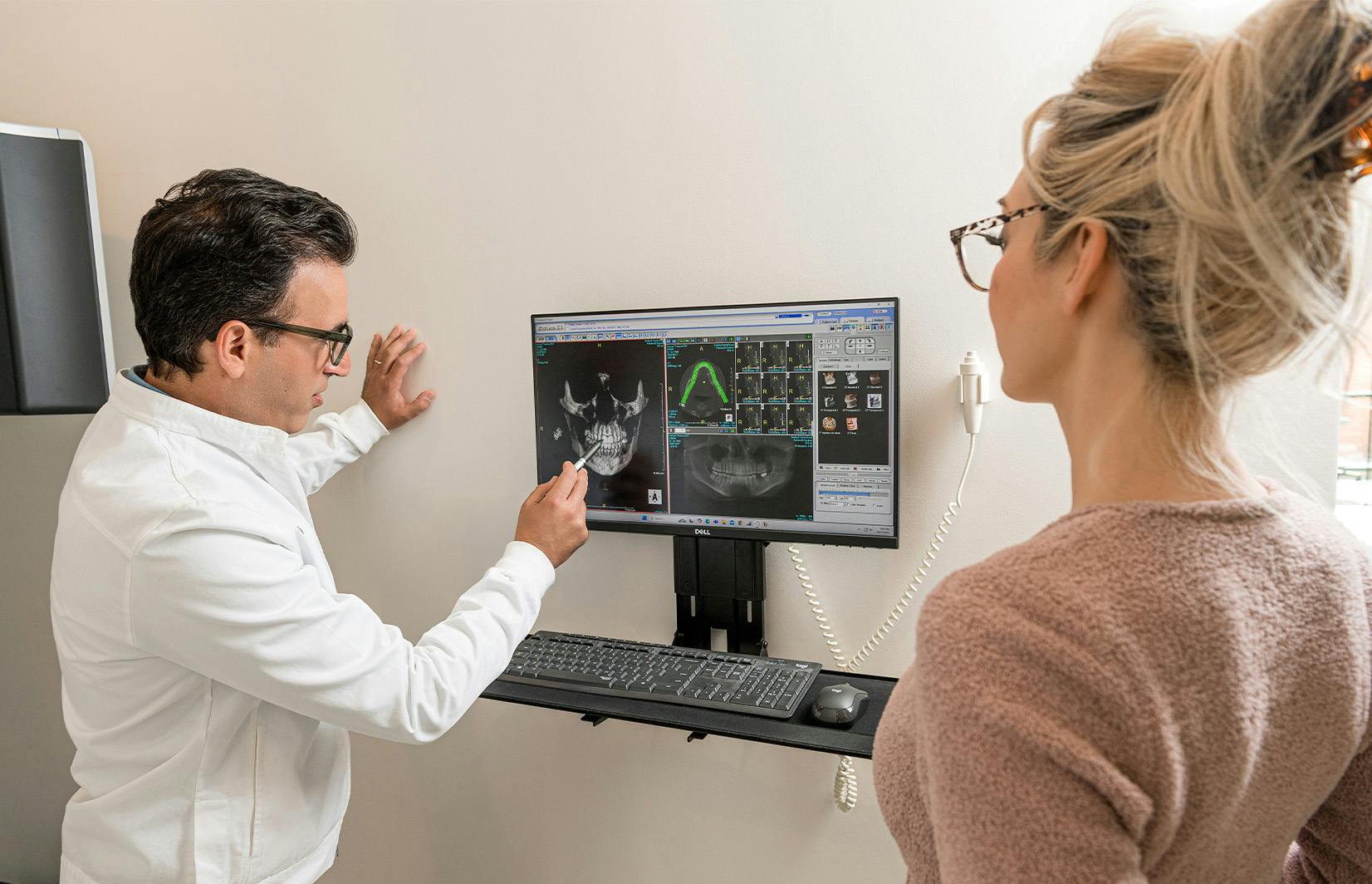
  1. Comprehensive Evaluation: We assess tooth structure, bite forces, and existing restorations.
  2. Conservative Treatment Planning: Care is designed to minimize tooth removal while supporting strength and function.
  3. Advanced Bonding Techniques: Restorations are bonded to replicate the natural behavior of teeth.
  4. Material Selection: Modern materials are chosen to closely mimic the properties of enamel and dentin.
  5. Final Adjustment & Review: Bite, comfort, and function are carefully evaluated before completion.
Background media

After Your Biomimetic Treatment

Most biomimetic treatments require little to no downtime. Mild sensitivity may occur temporarily as the tooth adapts, but this typically resolves. Follow-up visits help ensure comfort, proper function, and long-term stability.

Faded image of a woman smiling

Why Choose Bedford Dental Group for Biomimetic Dentistry?

Conservative Philosophy

We prioritize preservation of healthy tooth structure whenever possible.

Advanced Clinical Techniques

Modern bonding and restorative methods are used to support natural function.

Whole-System Awareness

Bite forces, oral balance, and long-term stability are considered in every plan.

Personalized Care

Treatment is tailored to your specific anatomy and needs.

Concierge-Level Experience

Every visit is unhurried, precise, and patient-centered.

Background media

Schedule Your Consultation

If you’re seeking a more conservative and biology-respecting approach to dental care, we invite you to schedule your consultation for biomimetic dentistry in Beverly Hills at Bedford Dental Group.

Biomimetic Dentistry Frequently Asked Questions

Is biomimetic dentistry different from traditional dentistry?

Yes. Biomimetic dentistry focuses on preserving natural tooth structure and replicating the biological strength and function of natural teeth.

Does biomimetic dentistry last longer?

When properly planned and executed, biomimetic restorations can provide long-term durability and improved tooth stability.

Can biomimetic dentistry replace crowns?

In some cases, yes. Conservative bonded restorations may be used instead of full crowns, depending on the condition and strength of the tooth.

Is biomimetic dentistry more conservative?

Yes. The approach emphasizes minimal removal of healthy tooth structure while reinforcing what remains.

Are biomimetic materials safe?

Yes. Materials are carefully selected for strength, biocompatibility, and long-term performance.

Can biomimetic dentistry be used on back teeth?

Yes. Biomimetic techniques are commonly used on posterior teeth to manage heavy bite forces while restoring strength.

Does biomimetic dentistry involve crowns?

In some cases, crowns may still be recommended; however, biomimetic dentistry often aims to reduce or avoid full-coverage restorations when possible.

Is biomimetic dentistry appropriate for cosmetic cases?

Yes. While focused on function and preservation, biomimetic dentistry can be integrated into cosmetic treatments when aesthetics and long-term stability are priorities.

Contact us media
Accessibility: If you are vision-impaired or have some other impairment covered by the Americans with Disabilities Act or a similar law, and you wish to discuss potential accommodations related to using this website, please contact our Accessibility Manager at (310) 278 2424.
Contact Us