

When you learn that a tooth needs repair, you’re often faced with a choice: composite filling or porcelain inlay. Both options restore the structure and appearance of your teeth, but they differ in materials, process, and long-term results.
At Bedford Dental Group in Beverly Hills, Dr. Daniel Naysan helps patients choose the restoration that best fits their goals. Whether you need a fast repair or a long-lasting cosmetic enhancement, understanding how these two options compare will help you make the right decision for your smile.The Key Difference Between Composite Fillings and Porcelain Inlays
The main distinction lies in how each restoration is made and applied.
Composite fillings are molded directly inside the tooth and hardened with a curing light during one appointment.
Porcelain inlays, on the other hand, are custom-made in a dental lab and bonded into place during a second visit.
Inlays typically last longer and look more natural, while composite fillings are quicker and more affordable.

What Are Composite Fillings?
Composite fillings are made from a blend of resin and fine glass particles, designed to restore the strength and shape of a tooth after decay or damage. The material is tooth-colored, allowing it to blend seamlessly with your enamel.
How They Work
Dr. Naysan begins by removing the decayed portion of the tooth and shaping the area for restoration. The composite resin is then applied in layers, hardened with a special curing light, and polished to match the natural contours of your smile.
Advantages of Composite Fillings
Composite fillings offer several benefits that make them a popular choice for quick, natural-looking restorations.
They match the color of your natural teeth for a subtle, aesthetic result.
Less enamel removal is required compared to traditional metal fillings.
The procedure can be completed in a single visit.
They’re generally more affordable than porcelain inlays.
Drawbacks of Composite Fillings
Despite their convenience, composite fillings have a few limitations.
They may wear down faster than porcelain or metal alternatives.
The material can stain over time from coffee, wine, or tobacco.
Their lifespan is typically shorter, averaging around five to seven years.
Composite fillings are ideal for small to moderate repairs, particularly in areas that don’t endure heavy chewing pressure.

What Are Porcelain Inlays?
Porcelain inlays are precision-crafted restorations made from high-strength ceramic. They fit within the grooves of a tooth to repair damage or replace large fillings. Because they’re fabricated in a dental lab, they provide exceptional accuracy and durability.
How They Work
After removing any decay and preparing the tooth, Dr. Naysan uses digital imaging to capture a 3D model of the area. A dental laboratory then fabricates a custom porcelain inlay that perfectly matches the color, shape, and fit of your tooth. During a second appointment, the inlay is bonded securely in place for a seamless finish.
Advantages of Porcelain Inlays
Porcelain inlays combine strength and beauty, making them a favorite among patients who want long-lasting results.
They provide greater resistance to wear and fracture than composite resin.
The ceramic material mimics natural enamel for superior translucency.
They resist staining and maintain their color over time.
With proper care, they can last 10 to 20 years.
Drawbacks of Porcelain Inlays
They cost more due to the high-quality materials and lab fabrication.
The process typically requires two visits.
They may not be necessary for very small cavities or minor repairs.
Porcelain inlays are best suited for patients who want a durable, highly aesthetic solution that will last for many years.
Composite Fillings vs. Porcelain Inlays: A Side-by-Side Comparison
Feature | Composite Fillings | Porcelain Inlays |
|---|---|---|
Material | Resin and glass mixture | High-grade porcelain |
Durability | Moderate | Excellent |
Stain Resistance | Prone to discoloration | Highly resistant |
Aesthetics | Natural appearance | Near-perfect enamel match |
Procedure Time | One visit | Two visits |
Cost (per tooth) | Lower | Higher |
Lifespan | 5–7 years | 10–20 years |
Which Option Is Right for You?
The right choice depends on your priorities and your oral health needs. If you’re looking for a fast, cost-effective fix for a smaller cavity, composite fillings may be the perfect fit. If you’re investing in longevity, strength, and a flawless appearance, porcelain inlays are a worthwhile upgrade.
During your consultation, Dr. Daniel Naysan will assess your tooth structure, bite alignment, and cosmetic goals before recommending the best option. His approach balances function and aesthetics so that every restoration feels as natural as it looks.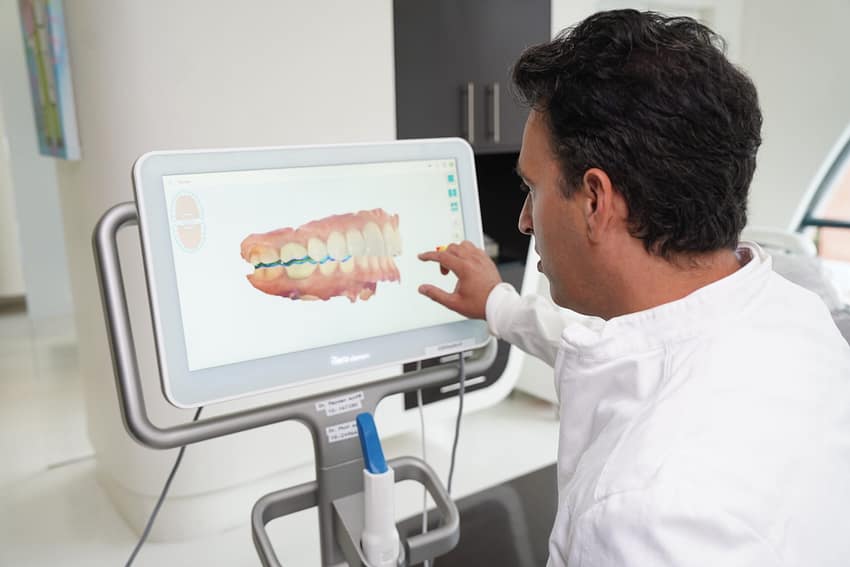
How Bedford Dental Group Restores Function and Beauty
As one of Beverly Hills’ most trusted cosmetic dental practices, Bedford Dental Group is known for blending art and precision. Using advanced digital imaging, high-performance bonding agents, and minimally invasive techniques, Dr. Naysan ensures each restoration fits perfectly and enhances the harmony of your smile.
Whether you’re replacing an old filling or planning a complete smile makeover, BDG provides results that last and a patient experience focused on comfort, care, and confidence.
Caring for Your New Restoration
Both composite fillings and porcelain inlays can last for years with proper oral care. To protect your investment, here are some tips:
Brush twice daily with a soft-bristled toothbrush.
Floss carefully to prevent plaque buildup.
Avoid chewing hard foods or using your teeth to open packages.
Schedule regular checkups with Bedford Dental Group to monitor your restorations.
With consistent care, porcelain inlays can last two decades or longer, while composite fillings typically last about seven years before replacement is needed.

Ready to Restore and Refine Your Smile?
Choosing between composite fillings and porcelain inlays isn’t just about treating decay, but about restoring confidence in your smile. Both options can deliver beautiful, lasting results when performed with precision and care.
At Bedford Dental Group, Dr. Daniel Naysan takes a customized approach to every restoration, considering not only the condition of your teeth but your long-term goals for comfort, appearance, and health. By combining artistry with advanced technology, BDG helps patients achieve results that look and feel completely natural.
If you’re considering a restoration or want to replace older fillings with something more aesthetic, schedule a consultation at Bedford Dental Group in Beverly Hills. Together, we’ll determine which treatment best complements your smile and lifestyle.FAQs
Are porcelain inlays stronger than composite fillings?
Yes. Porcelain inlays are more durable and resistant to wear, making them ideal for molars and other areas that experience high chewing pressure.
Do porcelain inlays look more natural?
They do. The translucency of porcelain mirrors that of real enamel, blending seamlessly with surrounding teeth.
Are inlays worth the higher cost?
For many patients, yes. Porcelain inlays last significantly longer and maintain their color, reducing the need for future replacements.
Can I replace old metal fillings with porcelain inlays?
Absolutely. Many patients choose to replace outdated amalgam or resin fillings with porcelain for a cleaner, more natural look.
Do both options require anesthesia?
Yes. A local anesthetic is typically used for comfort during either procedure.
0 comments