

Your smile has a powerful impact on how you feel, how you express yourself, and how others perceive you. Whether you’ve lost a tooth or want to refine your smile’s overall appearance, today’s cosmetic dentistry offers life-changing options. Among the most transformative are dental implants and porcelain veneers—each capable of creating a radiant, confident smile, but through entirely different approaches.
Understanding these differences is essential. While dental implants restore missing or severely damaged teeth from the root up, veneers enhance the surface of existing teeth to improve their color, shape, and alignment. Both procedures deliver remarkable results, but the right choice depends on your goals, oral health, and desired longevity.
At Bedford Dental Group in Beverly Hills, Dr. Daniel Naysan combines advanced dental technology with artistic precision to help patients achieve stunning, natural results. Whether you’re looking for a full-mouth restoration or a cosmetic upgrade, BDG’s tailored approach ensures that your treatment complements your features, lifestyle, and long-term dental health.

What Are Dental Implants?
A dental implant is a permanent replacement for a missing tooth that restores both the visible crown and the underlying root structure. It consists of three key components:
A titanium post surgically placed into the jawbone
An abutment that connects the post to the crown
A custom-designed crown that mimics your natural tooth
Unlike dentures or bridges, dental implants fuse directly with your jawbone in a process called osseointegration, creating unmatched strength and stability. This integration also helps preserve bone density and facial structure—critical for maintaining a youthful appearance.
At Bedford Dental Group, Dr. Naysan uses advanced 3D imaging and guided implant placement to ensure precision. Every implant is customized to your bite, bone quality, and facial anatomy, resulting in a replacement that feels as natural as it looks.What Are Veneers?
Porcelain veneers are ultra-thin shells bonded to the front surface of your teeth to perfect their appearance. Made from medical-grade ceramic, they mimic the translucency of enamel and can instantly transform your smile. Veneers are ideal for correcting:
Tooth discoloration resistant to whitening treatments
Chips, cracks, and worn edges
Uneven spacing or minor misalignment
Irregular tooth shapes or proportions
Each veneer is designed to blend seamlessly with your natural teeth, enhancing both harmony and brightness. At BDG, our smile design process uses digital imaging and shade matching to create veneers that are as individualized as your fingerprint.
Veneers do not replace missing teeth, but they’re often used to complement restorative procedures like implants—balancing the smile’s overall symmetry and aesthetics.
Patient Experience: The Procedure Overview
Dental Implant Process
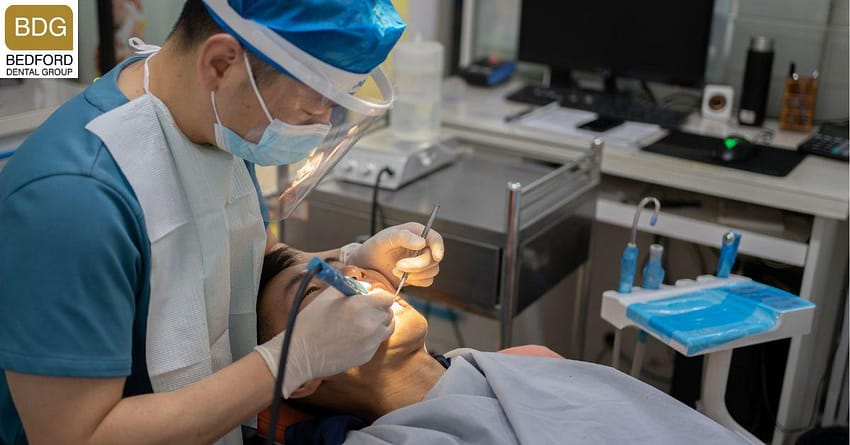
The dental implant journey begins with a consultation and 3D scan to assess bone density and determine candidacy. Once approved, the titanium implant is placed into the jawbone through a minimally invasive procedure, typically under local anesthesia or sedation.
After the implant integrates with the bone—a healing process lasting three to six months—a custom crown is attached to complete the restoration.
While the process takes time, the results are long-term and highly stable. Most patients describe the experience as easier than expected and well worth the investment for a lifetime of confidence.
Porcelain Veneer Process
The veneer process typically takes two visits. During the first appointment, Dr. Naysan designs your new smile, selects shades, and gently prepares the surface of each tooth. Temporary veneers are then placed to preview the look.
In the second visit, your permanent porcelain veneers are bonded with precision, adjusted for bite, and polished to perfection. The transformation is immediate—patients often leave that same day with a brand-new level of confidence.
Dental Implants vs Veneers: Key Differences
Feature | Dental Implants | Porcelain Veneers |
|---|---|---|
Purpose | Replace missing or severely damaged teeth | Enhance the appearance of healthy teeth |
Procedure Type | Surgical, restorative | Non-surgical, cosmetic |
Durability | 20+ years or lifetime | 10–15 years with proper care |
Aesthetic Impact | Restores tooth structure and bite | Refines color, shape, and alignment |
Healing Time | 3–6 months | 1–2 visits |
Cost per Tooth | $3,000–$5,000 | $2,500–$4,500 |
Maintenance | Standard oral hygiene and checkups | Brushing, flossing, and professional cleanings |
Ideal For | Tooth loss or severe decay | Cosmetic enhancement or discoloration |
Pros and Cons of Dental Implants
Advantages
- Permanent solution: Implants replace teeth from the root up, preventing bone loss.
- Natural function: They restore full biting strength and stability.
- Aesthetic precision: The crown is custom-crafted to match your smile.
- Longevity: With proper care, implants can last decades—often for life.
Considerations
- Surgical nature: Placement requires minor oral surgery and healing time.
- Longer treatment timeline: Osseointegration adds several months.
- Higher cost: Implants involve more complex procedures and materials, though their durability often makes them the best long-term value.
Pros and Cons of Veneers
Advantages
- Instant transformation: Dramatically improves your smile in just two visits.
- Minimally invasive: Requires only slight enamel reshaping.
- Customized artistry: Designed for your facial symmetry and smile goals.
- Stain-resistant and durable: Porcelain maintains its brilliance for years.
Considerations
Irreversible: Enamel removal means veneers are a permanent choice.
Not for structural repair: They enhance aesthetics but don’t replace lost teeth.
Potential sensitivity: Some patients may experience mild, temporary sensitivity after placement.
Which Is Right for You?
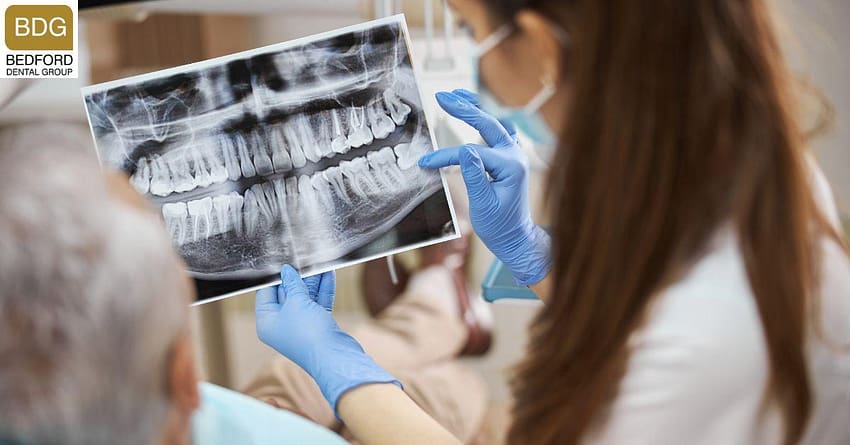
Choosing between dental implants and veneers depends on your current dental condition and your long-term goals.
You may be a candidate for dental implants if you:
Have one or more missing teeth
Want a permanent, full-function replacement
Have strong bone density and healthy gums
You may be a candidate for veneers if you:
Have minor imperfections such as discoloration, chips, or small gaps
Want to enhance the shape and brightness of existing teeth
Prefer a quick, non-surgical cosmetic solution
Recovery and Aftercare
Dental Implants:
Most patients experience mild soreness for a few days following placement, easily managed with over-the-counter medication. During healing, it’s important to maintain oral hygiene and avoid excessive pressure on the implant site. Once fully integrated, your implant functions exactly like a natural tooth and requires only routine brushing, flossing, and cleanings.
Veneers:
After veneer placement, patients can resume normal activity immediately. You may notice minor sensitivity to temperature changes for a few days. Avoid biting into very hard foods or using your teeth to open packages. Routine care—brushing with non-abrasive toothpaste and scheduling professional cleanings—will keep your veneers radiant and intact for years.
Longevity and Value Over Time
Dental Implants:
Can last 20 years or more with excellent hygiene
Prevent bone loss and preserve facial structure
Provide the best return on investment for missing teeth
Porcelain Veneers:
Typically last 10–15 years before replacement
Maintain color and gloss longer than natural enamel
Offer a high-impact cosmetic upgrade without surgery
Both treatments are long-term investments in confidence, appearance, and quality of life.
Cost Comparison
At Bedford Dental Group, we believe your smile is an investment in yourself.
Porcelain Veneers: $2,500–$4,500 per tooth
Dental Implants: $3,000–$5,000 per tooth

FAQs
Can veneers be placed on dental implants?
Yes. While veneers bond to enamel, implant crowns can be color-matched to your veneers for a flawless, uniform result.
Do implants or veneers look more natural?
Both can look exceptionally realistic when crafted by a skilled cosmetic dentist. Implants restore missing structure, while veneers enhance existing beauty.
Are either procedure painful?
Veneer placement is virtually painless. Implant surgery is performed under local anesthesia, with only mild post-procedure discomfort.
How long before I can eat normally?
Implant patients can resume soft foods within a few days, progressing as healing allows. Veneer patients can eat normally the same day, though avoiding hard foods is recommended initially.
Can I get both implants and veneers at once?
Absolutely. Many BDG smile makeovers combine both treatments for optimal balance, function, and aesthetics.
Related Reading
Explore more BDG insights to help guide your smile journey:
Transform Your Smile with Bedford Dental Group
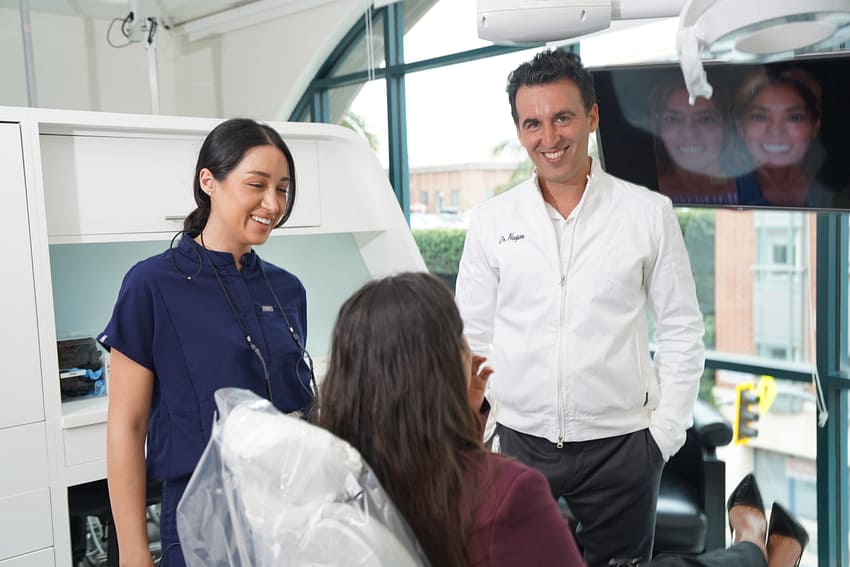
Your smile deserves expert care, artistry, and precision. Whether you’re replacing missing teeth with dental implants or refining your appearance with porcelain veneers, Dr. Daniel Naysan and the team at Bedford Dental Group deliver personalized results that reflect your confidence and individuality.
Schedule your consultation today to discover which treatment—implants, veneers, or both—can help you achieve your ideal smile.
0 comments