
01
Jun
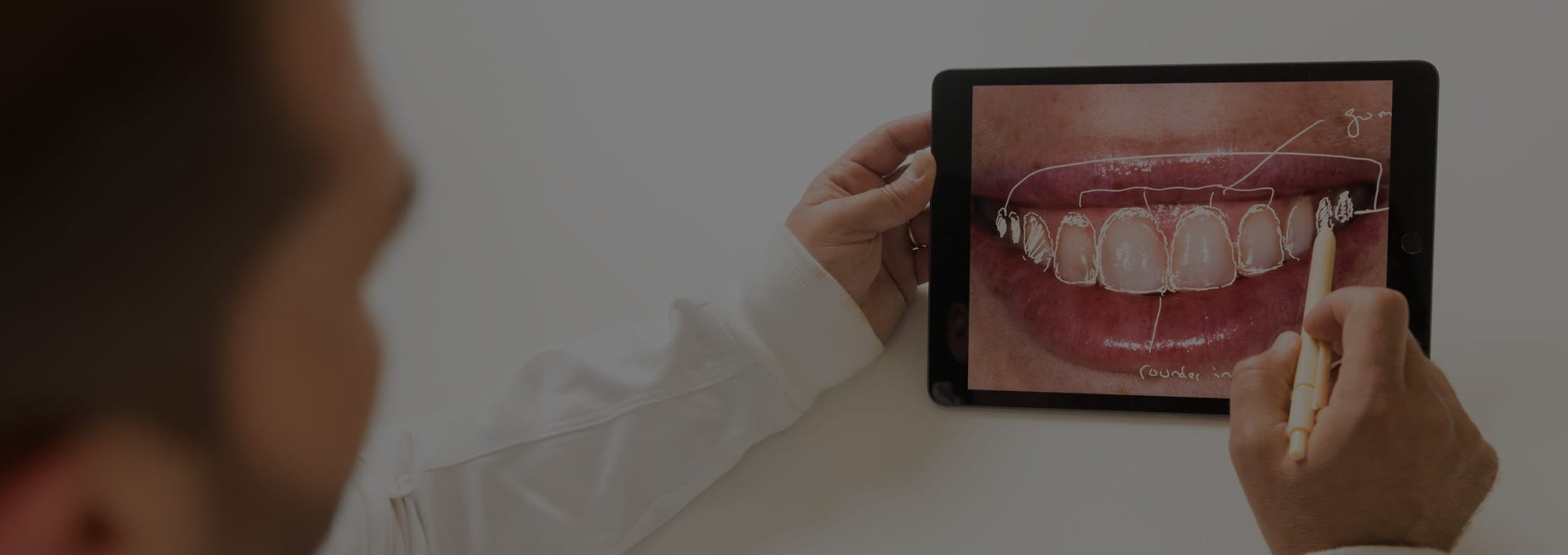
Veneers for a Wedding or Special Event: Timeline and Planning
If you're considering veneers for a wedding or major event, plan them at least 6-12 weeks in advance to allow for consultation, smile design, mockups, and final placement without rushing the process. While some cases can be completed more quickly, a thoughtful timelin...
View More06
May
Veneers vs. Crowns: Which Restoration Is Right for Your Smile?
In many cases, veneers are ideal for patients seeking aesthetic refinement with a conservative approach, while crowns are better suited for teeth that require structural reinforcement or full coverage. At Bedford Dental Group in Beverly Hills, this decision is never made in isola...
View More06
May
Caring for Your New Porcelain Veneers: A 30-Day and Long-Term Guide
Porcelain veneers are designed for longevity, but their performance depends on how they're cared for in the days immediately following placement and over time. With the right habits, veneers can maintain their appearance and function for well over a decade—often 15 ye...
View MoreCategory: Porcelain Veneers
27
Apr
Are Veneers Right For Actors, Influencers, and On-Camera Professionals?
At Bedford Dental Group, led by Daniel Naysan, DDS, cosmetic dentistry is treated as a design process built around the individual. For actors, influencers, and on-camera professionals, veneers are often a strong option when a smile needs to look natural in close-up and on camera...
View More16
Jan
How Much Do Porcelain Veneers Cost in Beverly Hills?
Quick Answer Porcelain veneers in Beverly Hills typically range from $2,500 to $4,500 per tooth, while non-prep and Durathin veneers start around $1,500 per tooth for qualifying cases. A full smile transformation can cost between $20,000 and $90,000, but for many patients, the re...
View MoreCategory: Porcelain Veneers
16
Jan
Do They Shave Your Teeth for Veneers?
Updated October 2025 Many patients love the idea of achieving a flawless, red-carpet-ready smile with veneers—but hesitate when they hear their teeth might need to be shaved. The thought of filing down healthy enamel sounds uncomfortable, even scary. The truth is more reass...
View MoreCategory: Porcelain Veneers
16
Jan
How Much Do Durathin Veneers Cost?
If you've been researching cosmetic dentistry options in Beverly Hills, you’ve likely come across Durathin® veneers which are ultra-thin, no-prep porcelain shells that can transform your smile with minimal alteration to your natural teeth. They’re ideal for ...
View MoreCategory: Porcelain Veneers
16
Jan
What Are the Best Places in the World to Get Veneers?
Veneers have become one of the most sought-after cosmetic dentistry procedures in the world—offering a fast, effective way to transform your smile and boost confidence. But as the popularity of veneers grows, so does a major question: where is the best place to get them don...
View MoreCategory: Porcelain Veneers
16
Jan
Best Veneer Alternatives
Veneers are a cosmetic dentistry procedure that not only enhances the appearance of your teeth but also restores their functionality in various ways, such as strengthening weak or damaged teeth and improving bite alignment. However, veneers aren’t the only way to achieve a smile ...
View MoreCategory: Porcelain Veneers
16
Jan
Can You Whiten Porcelain Veneers? (And How to Keep Them Bright)
Quick Answer If you're hoping to whiten your porcelain veneers with traditional bleaching products, the short answer is no — whitening treatments don’t change the color of porcelain. However, that doesn’t mean your veneers are destined to lose their brilli...
View MoreCategory: Porcelain Veneers
16
Jan
How Many Veneers Do I Need?
Veneers are designed to cover the front surface of the teeth. They are an excellent option for anyone looking to address issues like discoloration, chipping, or minor misalignment. People often ask: ‘‘How many veneers do I need? ” The number of veneers you need depends on how much...
View MoreCategory: Porcelain Veneers
16
Jan
Veneers vs. Lumineers: Which Is Right for Your Smile?
When it comes to crafting a beautiful, confident smile, both porcelain veneers and Lumineers offer transformative results — but the two treatments aren't quite the same. At Bedford Dental Group in Beverly Hills, Dr. Daniel Naysan and our team specialize in smile desig...
View MoreCategory: Porcelain Veneers